
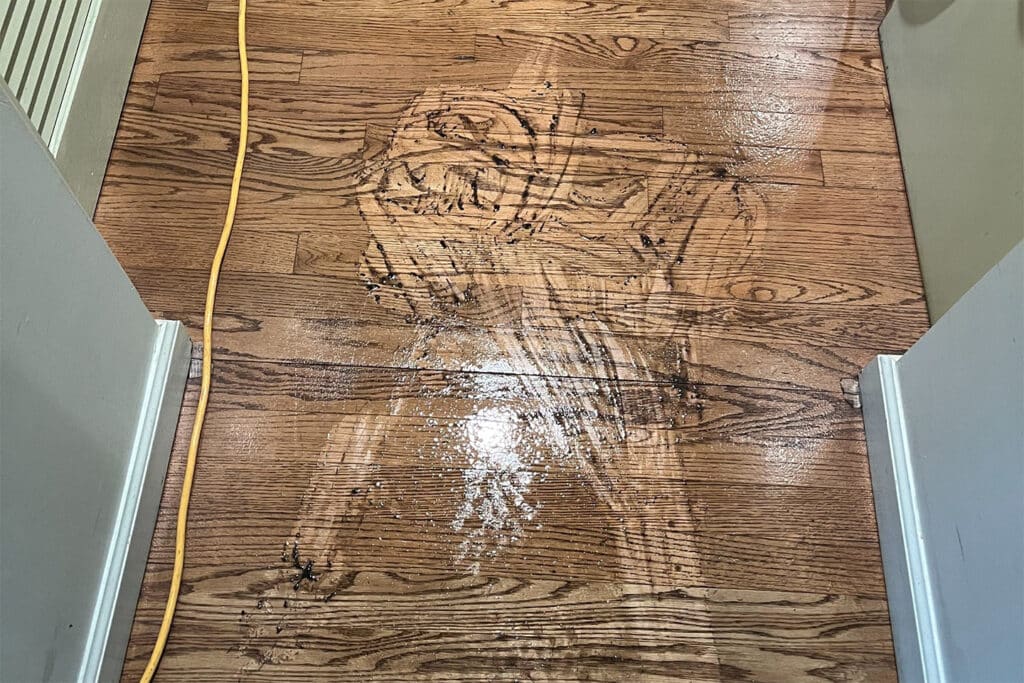
product comparisons
Is Murphy's Oil Soap Safe for Hardwood Floors?
Is Murphys Oil Soap safe for hardwood floors? Direct answer: not on polyurethane. Here is why, and what to use instead for safe routine cleaning.
No. You should absolutely NOT use Murphy’s Oil Soap to clean your wood floors! Here’s why:
The simple answer is that Murphy’s Oil Soap doesn’t do what people think it does. It is marketed as a wood floor cleaning product that has the ability to both clean and shine your floors. This is a major appeal to many people because it does multiple things at once. It cleans your floor AND leaves it looking shiny again. Makes sense as to why so many people have a bottle of it under their kitchen sink or in their laundry room.
Let’s just peel the Band-Aid off quickly with this one by saying, you need to stop using Murphy’s Oil Soap to clean your wood floors. Read on to learn about why it’s bad, read other professional opinions about the stuff, and discover our unique process to remove it and restore your floor.
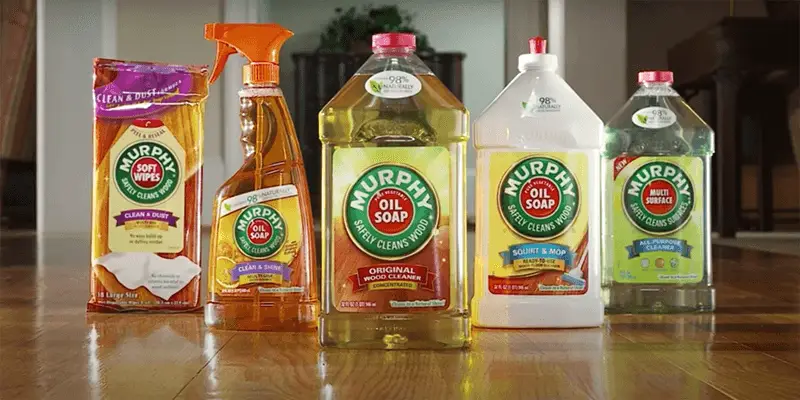
But everyone swears by the stuff, and all of the blogs I’ve ever seen recommend it? They can’t all be wrong, can they?
We hate to be the bearers of bad news, but the simple truth is, yes, they are wrong, and all of those bloggers don’t understand the product, or more likely than not, have never used it long-term. Many of these people who advocate for MOS (Murphy’s Oil Soap) understandably associate cleanliness with shininess; add in a nice smell, and you’ve got something you can sell to people, no matter what it does or doesn’t do.
Market any product long enough with a certain message, and the truth about it doesn’t matter because it’s all about what people think or believe something can do, rather than what it actually does (this principle, of course, extends far beyond floor cleaning products).
A good analogy for this would be soda. Companies like Coca-Cola and Pepsi claim that soda is refreshing, and while it may taste good and be refreshingly fizzy, the truth is that all forms of soda contain caffeine, which is a well-documented diuretic that leaves your body more dehydrated after you drink it. At this point, you’re surely wondering, what’s the exact correlation between Murphy’s Oil Soap and soda? Here it is, it’s outright consumer manipulation through very clever marketing.
Murphy’s Oil Soap, along with many other famous floor-cleaning products (that we are planning to cover in future posts), has spent fortunes on positively marketing their products for decades. In MOS’ case, they have been advertising their floor cleaning oil since the founder, Jeremiah Murphy, bought the formula from a German immigrant back in 1910. That means they have been marketing their product for over 100 years! With this in mind, it should come as no shock that many are surprised to learn about the kind of damage that MOS will unwittingly and inevitably cause.
Here are Four Signs of Murphy’s Oil Soap Damage to Watch Out For:
It’s important to be able to identify MOS damage, especially if you are looking to purchase a new home that has wood floors installed in it. Many sellers or flippers will do the bare minimum to ‘shine up’ (a term that makes all wood floor specialists cringe) a floor to help it sell faster and for more money.
In the following section, you’ll be given the information you need to avoid that kind of disaster in the future. We’ll also provide an alternative solution to drum sanding your floors back to bare wood that is far more economical. Let’s dive in!
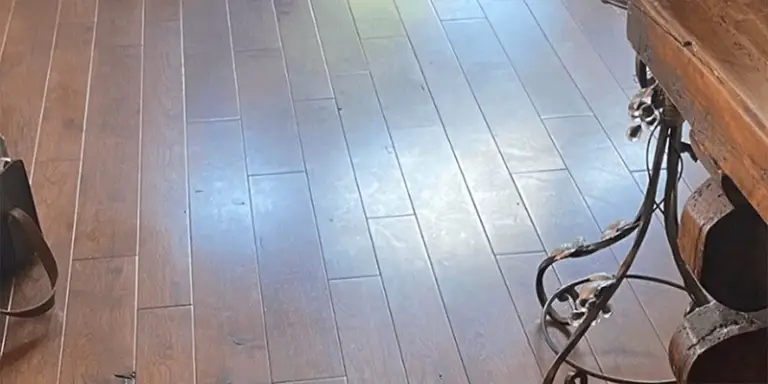
1. “The floors just look greasy all the time!”
If you’re fighting a greasy glare on your wood floors, then our professional diagnosis is that you’re suffering from MOS damage. This is a simple explanation because it only relies on an understanding of the concept of evaporation.
MOS is made up of Sodium hydroxide, Water, Sodium tallate, Citronella oil, Lauramidopropylamine oxide, and Tetrasodium EDTA, respectively. The chemical names don’t matter exactly, but it is important to note that Citronella oil, a vegetable oil, is a listed ingredient. It does not represent a large percentage of MOS, but it is indeed present in the formula. The reason this is important is because of the way MOS works.
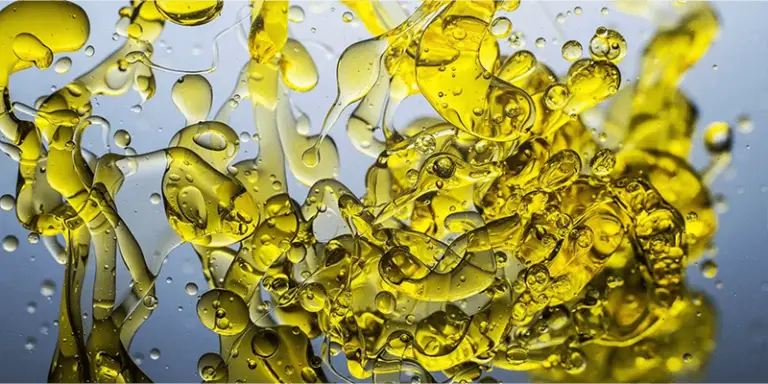
It is a water-oil emulsion that is temporarily stable, meaning that in its liquid state, the oil is suspended in water. Once the MOS is applied to the floor in the open air, the water in that compound begins to evaporate. After the water evaporates or “dries,” all that remains are the other chemical ingredients found in MOS. Essentially, all this jargon means that every time you apply MOS, you are leaving a shiny but oily foreign residue on the surface of the floor, especially if MOS is not properly diluted, which it typically isn’t.
2. “They feel sticky, and I can never get them completely clean 😤”
Here’s what another wood floor specialist answered with, concerning a frantic person asking on a Houzz forum about why MOS seemed to be leaving their floors dirtier rather than cleaner,
“Okay… This is going to get ugly. I’m sorry to say, but Murphy’s Oil Soap is NOT ALLOWED on finished wood floors. The only time Murphy’s Oil soap is allowed on wood (I know, right? It says it’s allowed on the bottle, so you will buy it) is when the wood is WAXED, like pews in a church or some other old-fashioned wax-based finish.
Murphy’s Oil soap has RUINED millions of square feet of wood flooring. And I mean millions and millions of square feet. I’m waiting for someone who will start a class-action lawsuit against them. And I’m not kidding about that. I really am waiting for it.
First off, Murphy’s Oil Soap is an oil-based polish. It leaves OIL on the floor (the water evaporates… the soap and oil residue do NOT). This oil can and WILL penetrate THROUGH the floor’s polyurethane finish and onto/into the wood. The worst that can happen: your floors will never take on more finish again… ever. Murphy’s Oil Soap is a contaminant… Think of it just like a gallon of cooking oil that has been left to soak into the wood. The hardwood grabs the oil and holds onto it. When you try to get a new finish (polyurethane) to grab the wood, it simply can’t… because the oil is blocking the polyurethane from properly adhering. Now you have what is known as a chemical adhesion failure.
My recommendation is that you pay to bring in a flooring professional to take off the Murphy’s Oil Soap with their machines and chemicals. I guarantee you that they will have seen this once or twice. Pay them to remove whatever is on there. And then throw it out, or better yet, send the remains of the bottle to the manufacturer with your repair bill, asking for a refund and compensation. It’s your choice… But I for one am getting tired of seeing this over and over again (think DECADES of these exact same issues).” – S.J. McCarthy, Houzz Professional
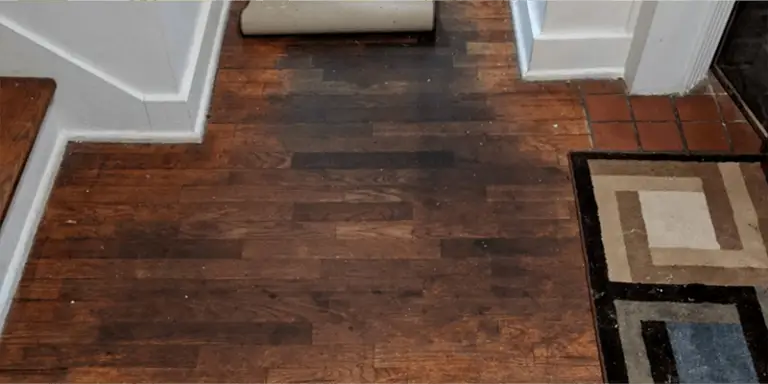
3. “I see discoloration and dullness, and I don’t like it.”
This phenomenon typically begins to reveal itself over months or years. Your floor will seem fine until one day when it isn’t. Here’s what’s happening to your floors when they start to discolor and become dull.
It goes like this: as you apply a fresh layer of MOS in an attempt to clean your floors, you are locking in a new layer of dirt and grime that is now encapsulated in and under the MOS finish. Do this enough, and it becomes layered like an onion. A layer of MOS, a layer of grime, a layer of MOS, a layer of grime, and so on. The result is that the wood grain and color of your floor become duller, darker, and dirtier as you fruitlessly attempt to clean it.
Here is another flooring professional’s opinion on the matter,
“Polish. It is one of my least favorite words in our industry! I am specifically talking about the floor-cleaning chemical solutions that most unassuming homeowners or housecleaning companies apply to hardwood floors to “shine them up”.
In their defense, companies that sell polish directly to the general public in grocery and home improvement stores do say in their instructions that their polish should be applied by a wood floor professional. Unfortunately, most folks figure it can’t be that difficult–after all, they took wood shop in high school, or they’ve painted their walls before. The problem is, no polish or oil should be applied to your wood floor unless recommended by both your hardwood floor contractor AND the company that manufactures the finish that was applied to your floor.
If you don’t know what the finish is, stick with vacuuming or sweeping your wood floors and then clean occasionally with a spray bottle of water and a mop that has a terry cloth or microfiber pad. Even as little as one or two applications of polish will leave an acrylic residue that cannot be removed from your hardwood floor by other cleaners. The only way acrylic residue can be removed is by hiring a professional who will either deep clean and mechanically or chemically etch your existing wood floor finish and then apply a new coat of finish, or hiring a professional who will sand your floors down to the raw wood.” –Joni Rocco, Artistic Floors by Design
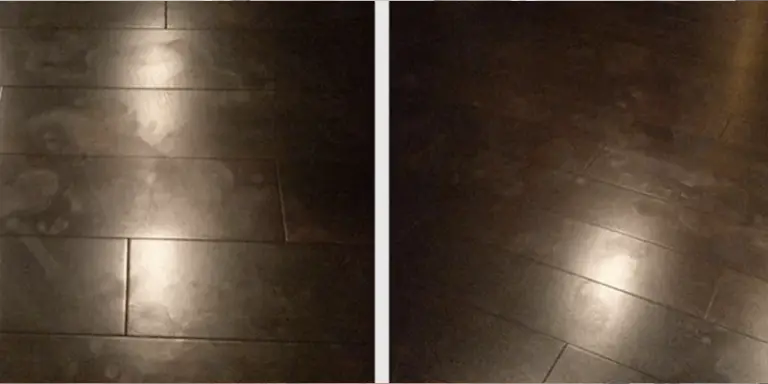
4. “Whenever I sweep or mop my floor, it feels like I’m fighting it…”
This is because as you apply more MOS, the oily residue begins to build up and create surface tension, which in turn makes the floor harder to maintain and keep clean. Inevitably, many solve this by applying another coat of MOS, but sadly, the original sin has already been committed… There are very few options when it comes to correctly removing this stuff without irreparably damaging the functionality of your floor system.
Separate cleaning from adding a layer
The same product-name confusion shows up with Bona cleaner and polish. If the floor already feels tacky, use our sticky-floor diagnosis before adding another cleaner.
Our Verdict for Murphy’s Oil Soap: 👎👎👎👎👎
If you have a bottle of Murphy’s Oil Soap under your kitchen sink or in your laundry room that you use to clean your hardwood floors, go get it right now and toss it in the trash. We’re serious, stop using it today. You can use it on other things like furniture or your cabinets, but NEVER on wood floors; otherwise, you will 100% need our help to remove it.
Below: Years of polish & residue build-up
Below: Polish removed & a fresh coat applied
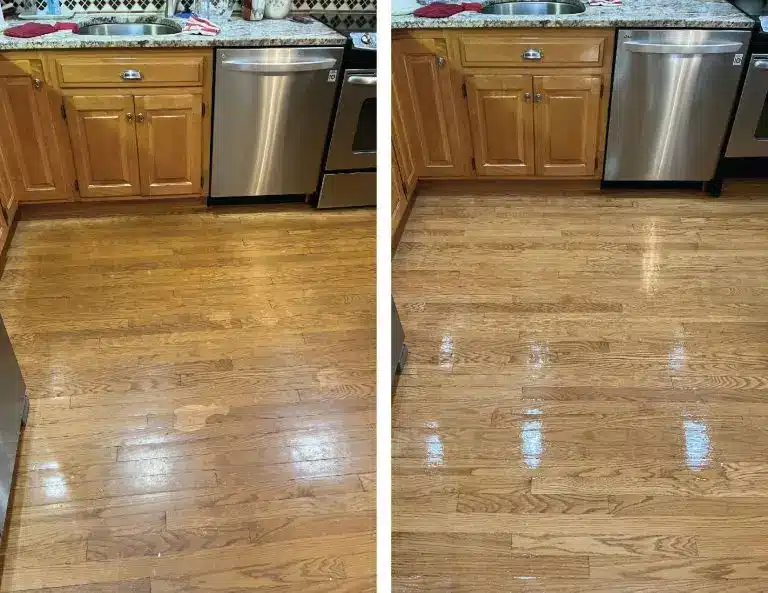
ReCoat Revolution is the best solution to Murphy’s Oil Soap.
Why? Because one out of every three jobs involves us removing it from a floor. Most people don’t even know what they’re doing when they squirt some Murphy’s Oil Soap onto their floor, but we know exactly how to get it off for you.
At ReCoat Revolution, we provide complete hardwood floor care. Need to show a 100-year-old floor some love? Good, we love saving old floors. Are your floors youngsters but a little banged and bruised from the dog’s nails? We’ve seen it a million times. With over 25 years of experience in and around the wood floor business, we know our stuff, and we’re happy to share it with you if the price is right! 😉
Are you ready to bring your floors back to life with our easy, result-based process? Contact us now to get the help you need!