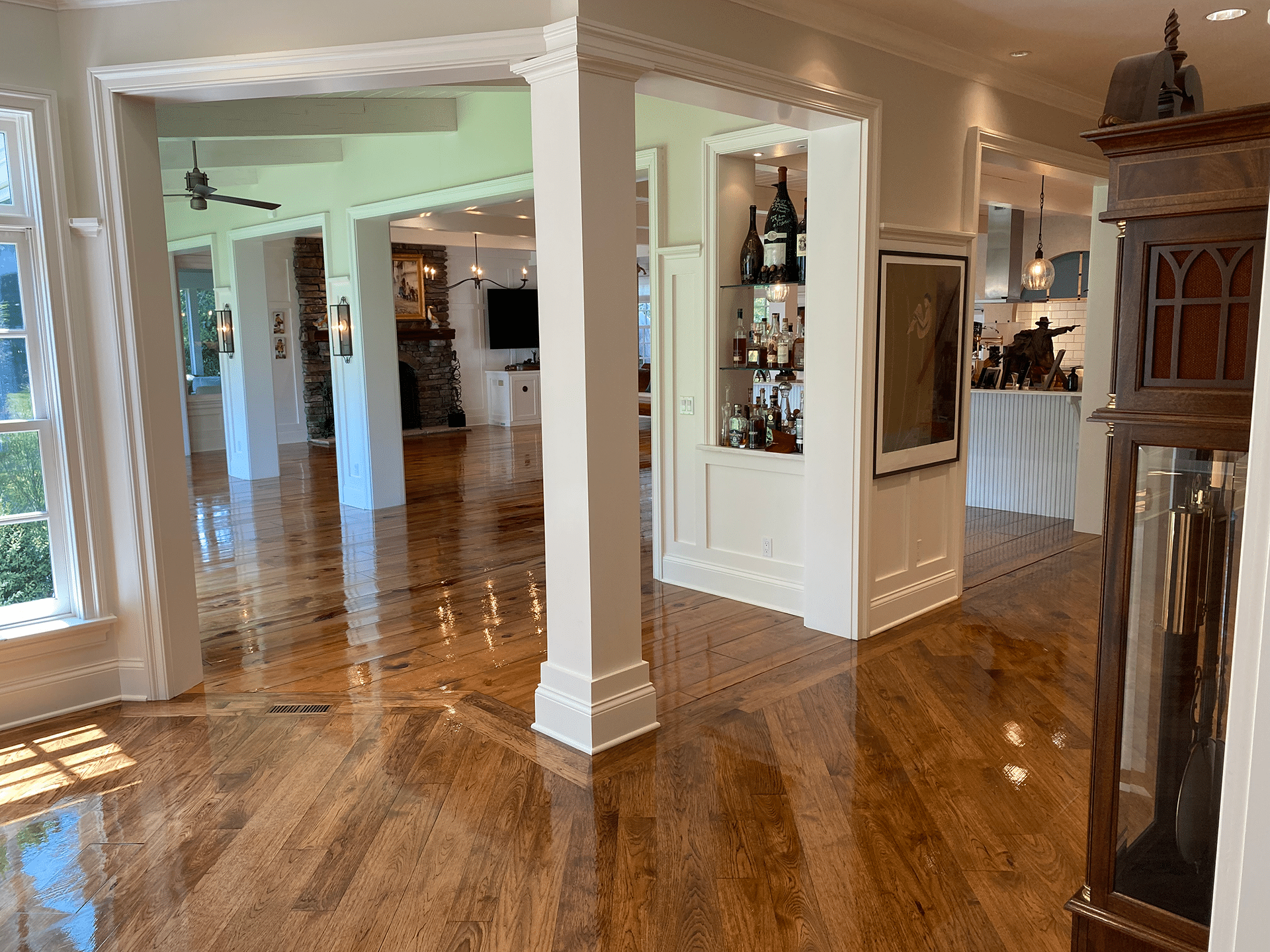

Affordable Quality
ReCoat Revolution’s services are a fraction of our competitors’, ensuring you don’t compromise on quality while remaining within your budget.
Beautiful Like-New Floors in Just One Day
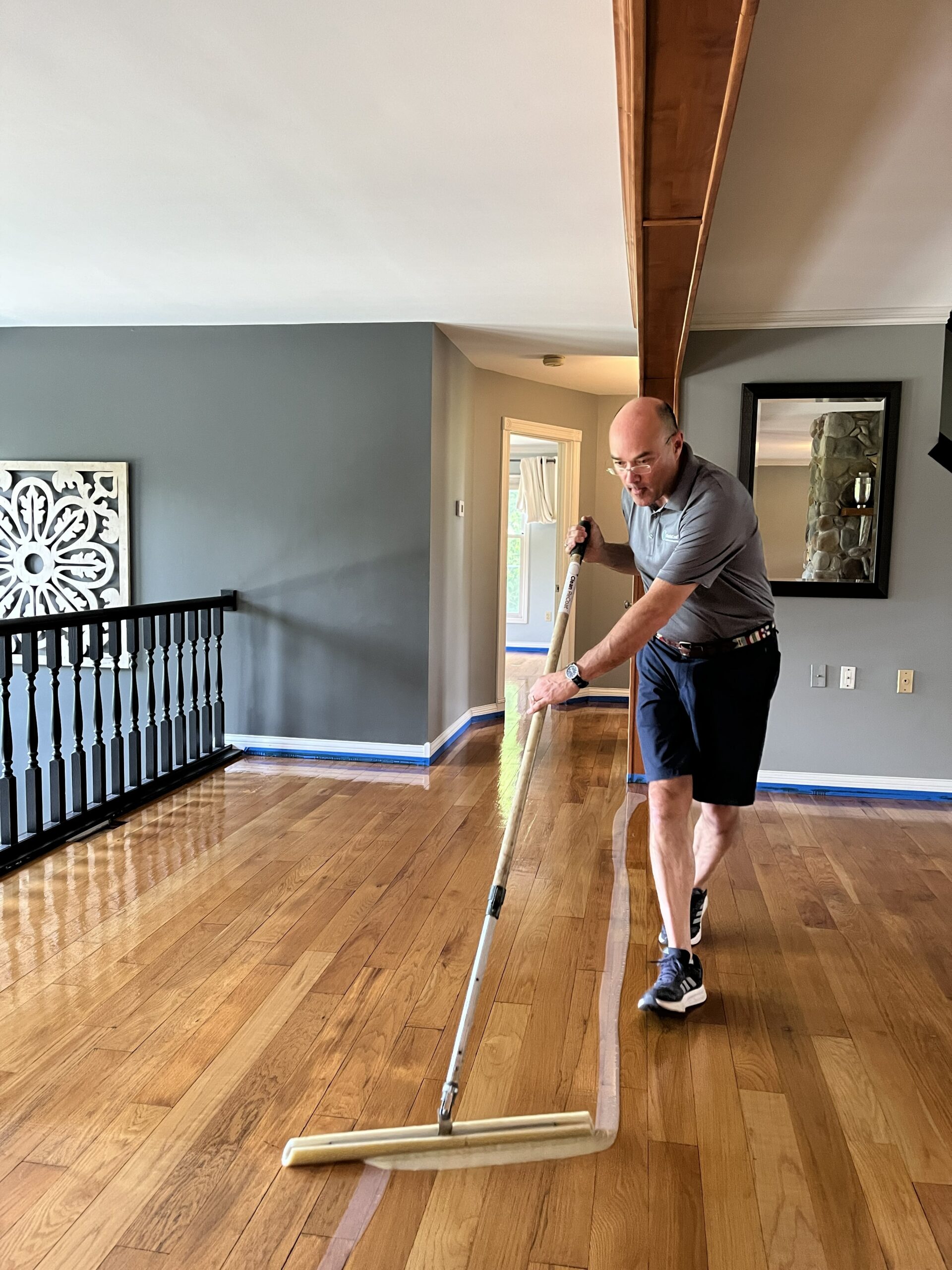
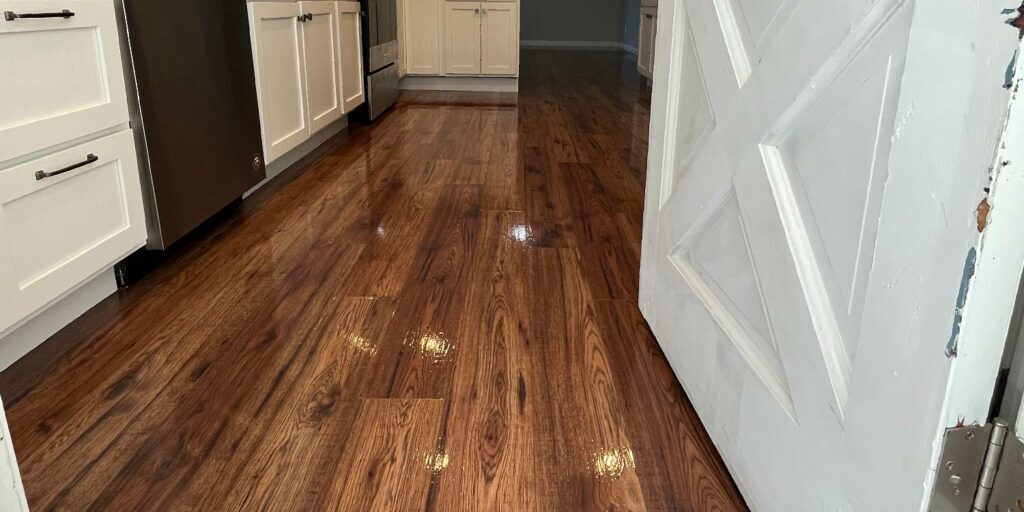
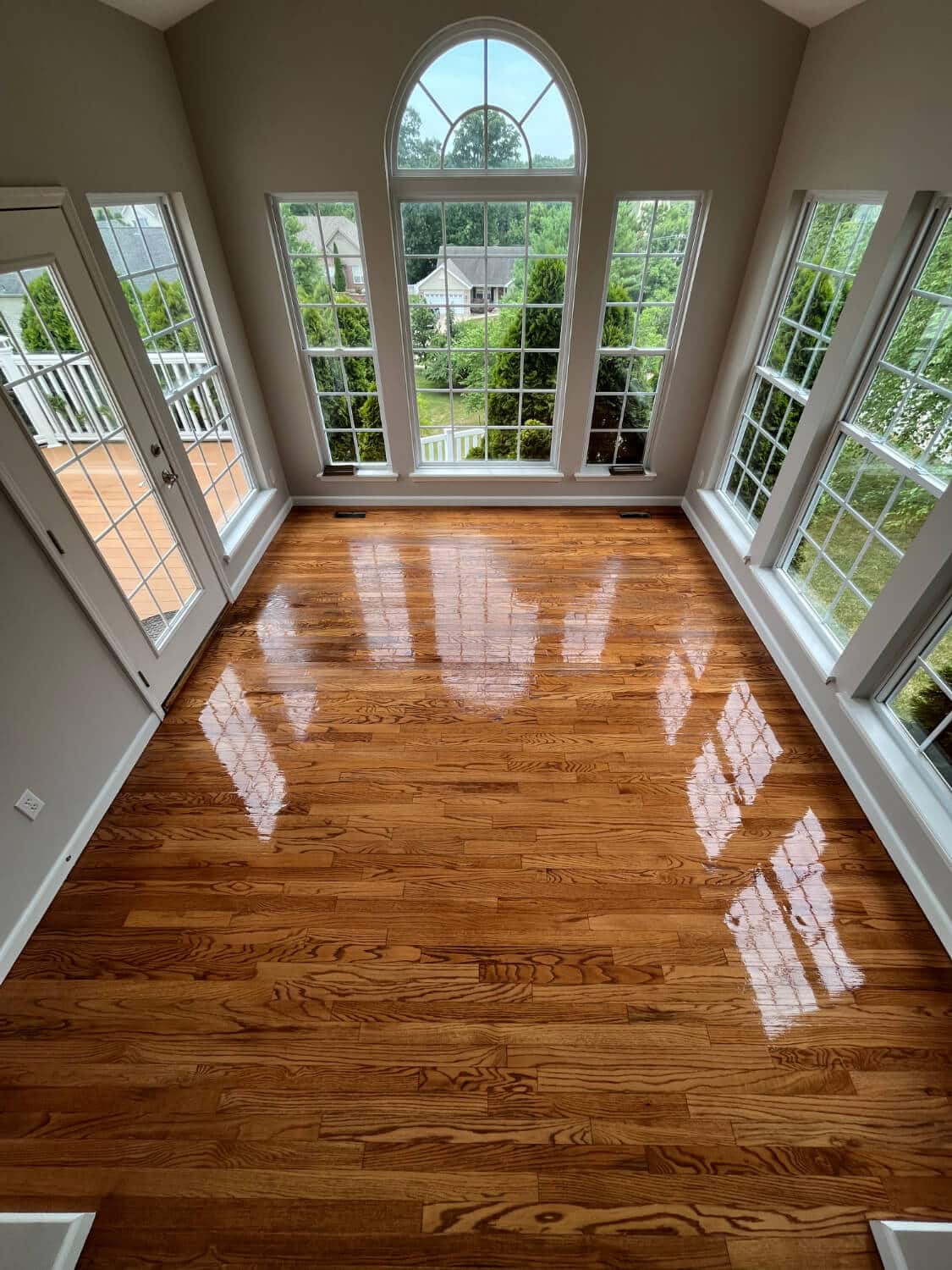
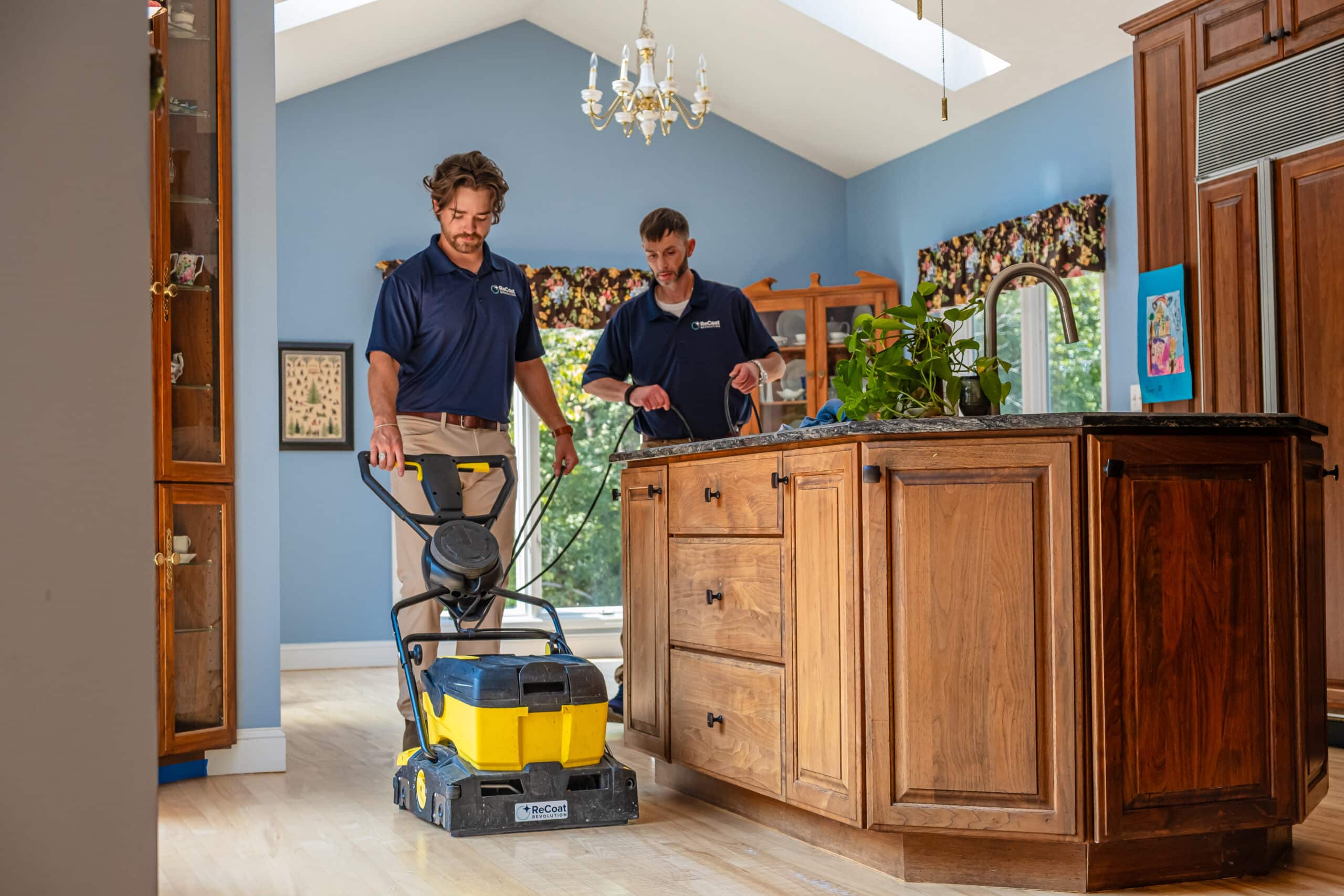
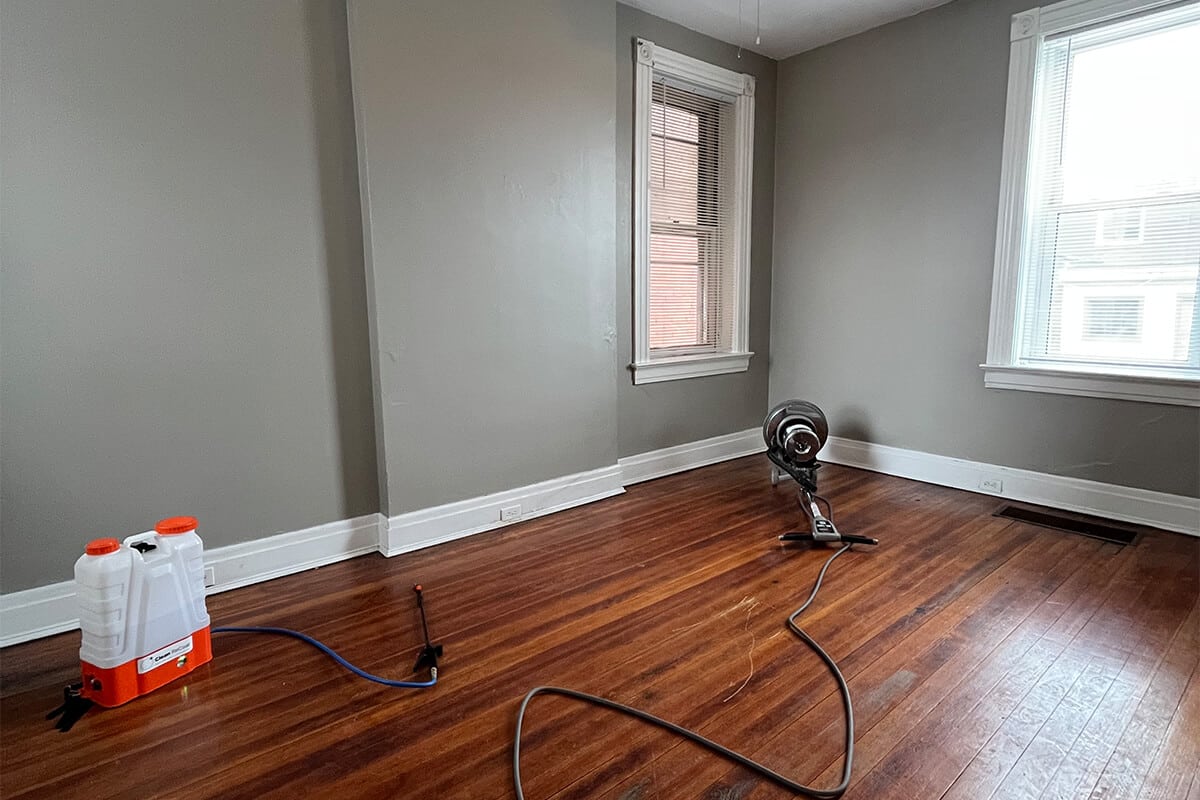
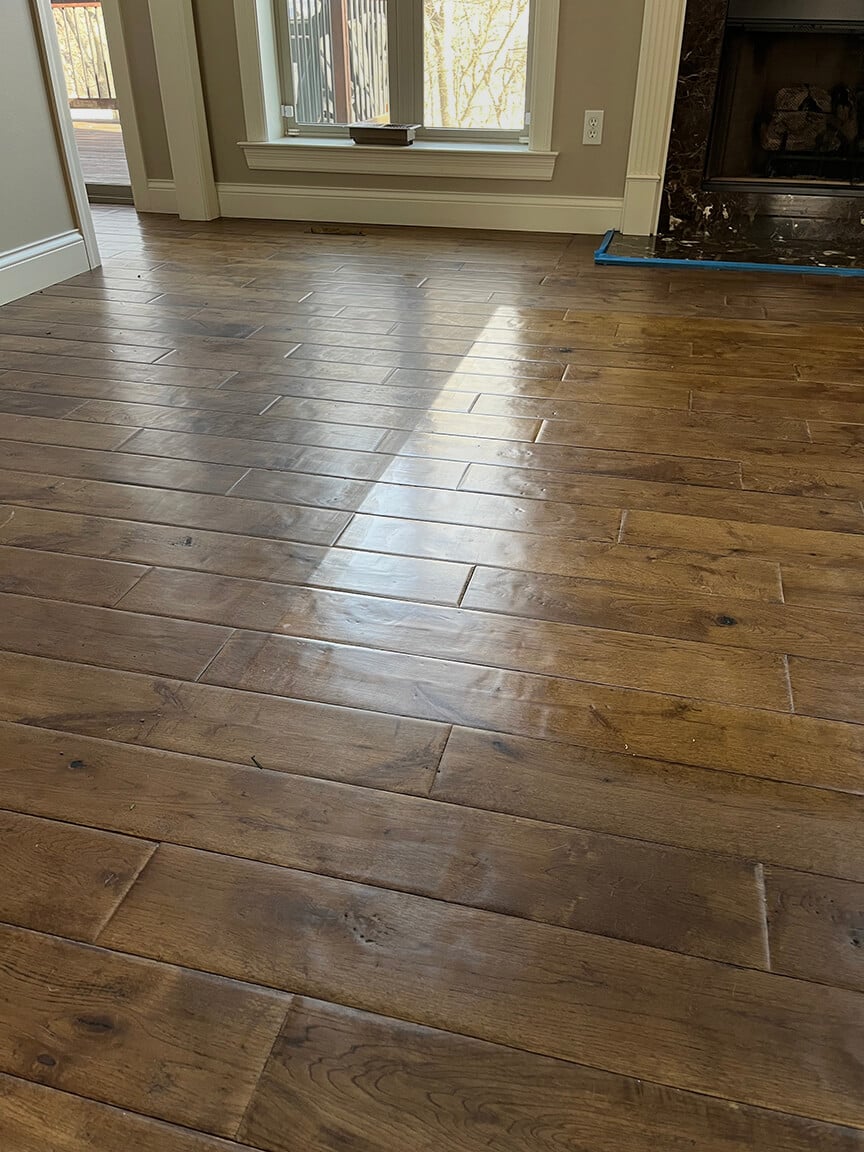
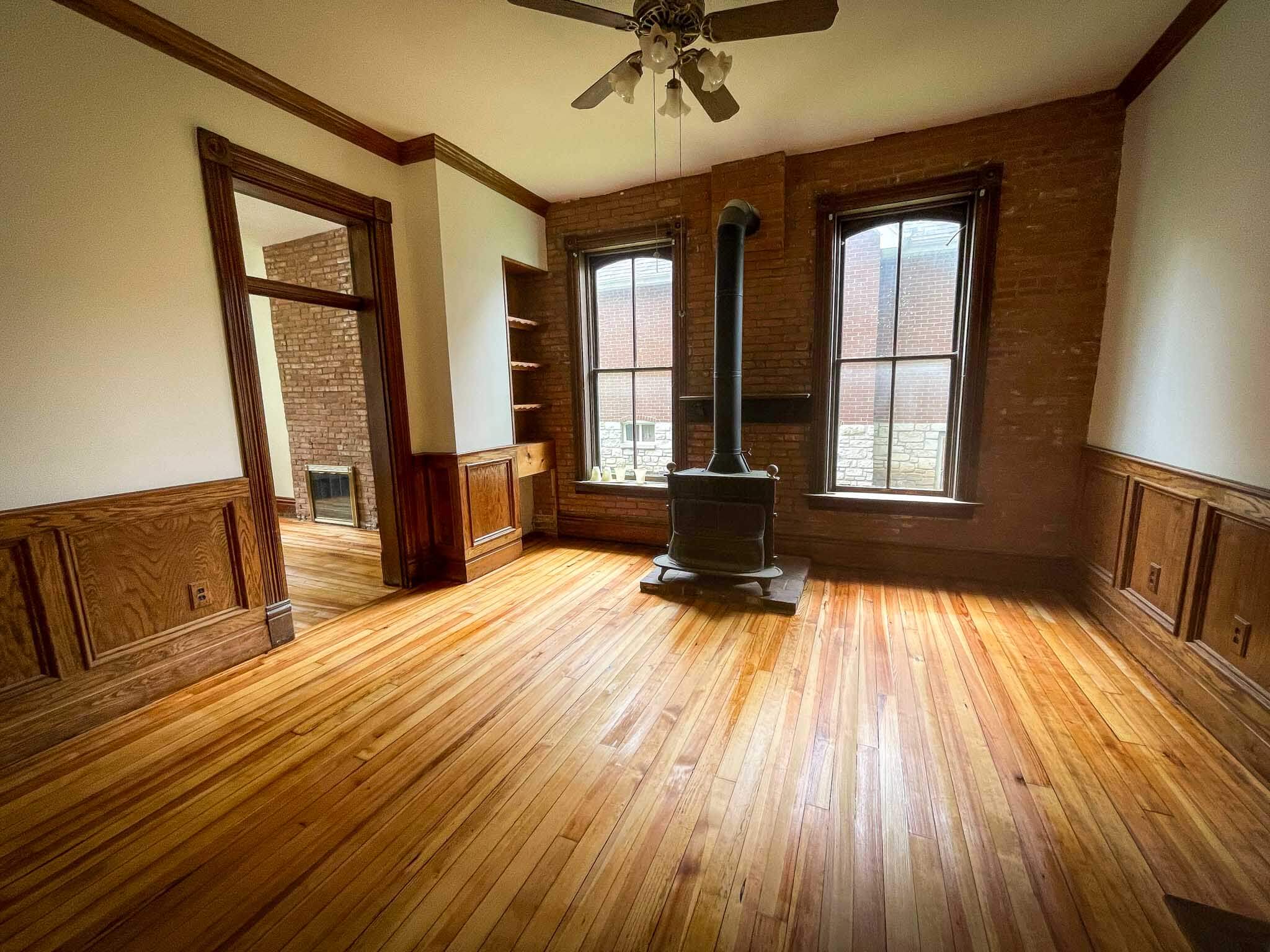
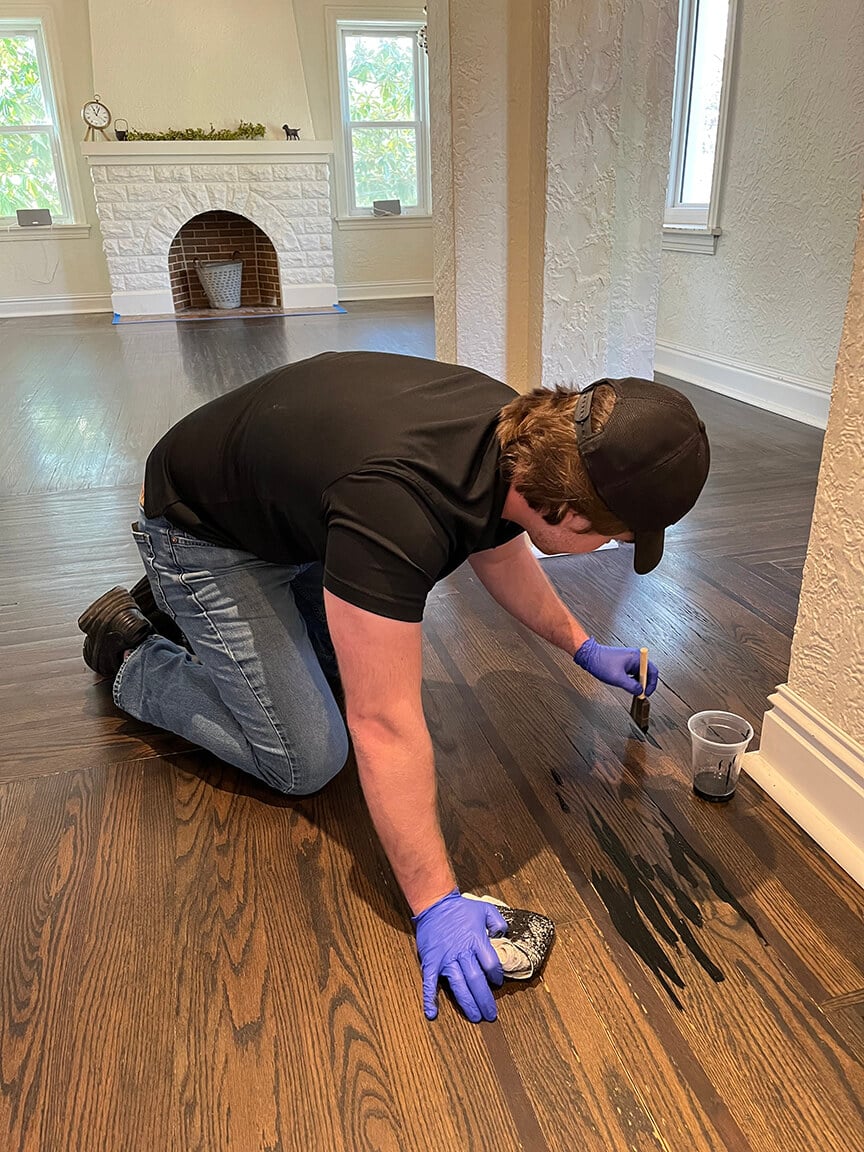
Get Your FREE Quote FASTReCoating is a one-day, dust-free process that prepares your existing polyurethane finish and applies a fresh topcoat – no sanding required. Most 1,000 sq ft projects complete in 5–6 hours, are walkable within hours, and cost roughly one-third of a traditional sand-and-refinish.
ReCoat Revolution’s services are a fraction of our competitors’, ensuring you don’t compromise on quality while remaining within your budget.
Our professional team can complete most services within a day, ensuring that your home enjoys clean floors as soon as possible.
The ReCoat Revolution team prides itself on being trustworthy and transparent, ensuring upfront pricing, clear guidance, and understanding of our process to ensure your satisfaction.
We treat every client’s home as our own, going above and beyond to ensure you and your family enjoy your newly cleaned wood floors.
We are extremely pleased with the work ReCoat Revolution did on our 15+ year old hardwood floors. The floors look brand new and enhance the overall appearance of our home. Communication from the initial bid, to day of work were excellent. Tommy(Thomas Lauer) was very personable and explained the entire process. He did a fantastic job with the entire job. Highly recommend ReCoat Revolution for this type of work. Keep up the great work!
Alex and his team did an excellent job on our old pine floors! He was patient with us when we had an unavoidable delay on our end & had to reschedule at the last minute. The team that did the work was helpful, professional, and did a flawless job. The floor looks 100% better. There was minimal odor so all of our pets were spared from fumes! The price was much less than a full floor refinish, and well worth the cost. And, all done in one day. We will definitely use ReCoat Revolution of Columbia for future projects.
I cannot say enough about ReCoat Revolution! They did the flooring in my store and it is beautiful!! From the flooring to the installation to the customer service...flawless! They also resurfaced the flooring in my daughters home and what a difference it made...BEAUTIFUL. The workmanship, cleanliness and the honesty and integrity of this company is second to none. I wouldn't trust anyone else. THANK YOU STEVE!
Blake and Scott were fabulous!! I am so pleased. To be honest it was much better than I expected or hoped for. It looks like new.
Used ReCoat to bring back some of the shine to 20 year old hardwood floors. They did a great job and were committed to being sure we were satisfied with the finished look. Will reuse them in the future if needed.
Nick came over as scheduled and gave me an honest and reasonable price. Scheduling the job was easy and they stayed in touch with updates and reminders. Blake did an amazing job on my floor!! Took it from black, dried up, mastic and glue covered floor to a beautiful clean oak! When we removed the old carpet in new to us home, we thought that the hardwood was ruined, but thank you to ReCoat Revolution and personally, Blake for bringing my floor back to life! He spent all day sanding, cleaning and coating the floor, then came back next day for the last coat and to make sure everything was good. Left the area clean and vacuumed! Check out the amazing pictures of before and after, and Blake making sure that the edge was perfect! Would absolutely recommend this company!
This past Thursday, I had their team come and recondition my hardwood floors in my kitchen and entryway. They are completely professional from start to finish, my floors never looks so good in 18 years. I would recommend them to anybody Thank you, Mark
So happy and pleased with my floors! Blake and Thomas did a wonderful job! They were professional and worked well together! Definitely recommend ReCoat! The whole process from start to finish was a great experience! 10/10
ReCoat revolution corrected some flooring work (done incorrectly by a different vendor) perfectly, the entire process start to finish was A+. Easy quote, scheduling, reminders, communication, all went perfectly. And the tech was exceedingly thorough. Thank you! Refinished natural wood floor hallway
Blake from ReCoat Revolution did an amazing job on my hardwood floors. He worked through many layers of hardwood polish; and didn't quit until that old polish was completely gone. In a world where most people don't want to work, Blake went above and beyond, working an extra 3 hours to make sure the job was done right. Thank you Blake and thank you ReCoat Revolution!
ReCoat Revolution recently brought my oak hardwood floors back to life!! My husband and I recently purchased a villa with genuine oak floors needing a major overhaul and new look since the previous owner used Mop n Glow for cleaning and shine purposes which was a big “no-no.” Nicholas came out to the villa and gave me a very reasonable quote which I accepted immediately and made an appointment for ReCoat Revolution to restore my floors. On the day of the restoration, Blake and Thomas arrived on time since this was going to be an all-day job for them. Please note that these three men were very courteous, very professional, and attentive to my needs to get the floor back to its original condition. I also need to mention that part of the flooring was water damaged in the kitchen area where the refrigerator was. Blake and Thomas were able to replace the damaged wood and replace it with the exact same wood using their expertise and creativity which I found to be amazing!!! ReCoat Revolution is a very professional company, highly skilled, with the final results of restoring my woods floors totally exceeding my expectations! I highly recommend ReCoat Revolution because their excellence and commitment to customer service is unmatched. You can’t go wrong with hiring ReCoat Revolution because they are a 5 Star Plus business that goes above and beyond to give their customers a positive outcome!! And my floors look absolutely beautiful!
The experience from start to finish was so easy. Blake did a wonderful job explaining the entire process when he came out to estimate the work. He answered so many of my questions without me even having to ask them. It was very easy to schedule the work with the office. Blake did an amazing job refinishing the floors in two of my rooms. Steve came by the second day to help and was just as informative. Very professional and trustable guys to have in my home. I highly recommend this company. Before and after photos of my bedroom floor. It is unbelievable the transformation. I love my floors.
Great job at SLPS
They did an amazing job on our office floors! Definitely recommend ReCoat Revolution!!
Incredible work! My floors look brand new!
ReCoat Revolution just Rocked out a 10,000 sf gym floor damaged during May tornado storms. Valued Engineering at the finest. Great job Angie and Steve Lauer.
I couldn’t be happier with my experience with ReCoat Revolution. From start to finish, they were professional, punctual, and detail-oriented. Steve, the owner and estimator, took the time to explain the entire process and was upfront about pricing and expectations – no surprises, just honest communication. Blake, the installer, did an outstanding job. His workmanship and attention to detail were top-notch, and he treated my home with care and respect. The finished floors look absolutely incredible – like brand new again. It’s rare to find a company that combines quality work, clear communication, and great people, but ReCoat Revolution really delivers. Highly recommend them to anyone considering refinishing or ReCoating their floors!
The workers Thomas and Blake were very easy and great to work with and did a fantastic job
Unless the floor is destroyed this process allows the beauty of the wood to resurface. It was amazingly fast but the fact the wood is sealed is better than any wood floor I’ve ever had. Steve was efficient and very helpful. This is just so much better than sanding and refinishing because it doesn’t take away any good wood. A great company with strong core values. This process could be the answer to your wood floor Maintenance you pray for Thanks for a job well done and our blessings for a successful future in making other families happy
Very friendly,professional,excellent work, highly recommended
Great service from the team and Blake was outstanding at revitalizing our old worn out floors. Highly recommended.
What a great company to do business with, and the 2 employees that came to our house and did our floors are top notch! We will definitely recommend them to all our friends.
My floors are 11 years old, but they look brand new. I can't believe they were able to do this with no sanding or mess!! Nick and Thomas were so easy to work with. I would highly recommend them.
Excellent job and reasonable pricing. Glad I did this vs. sanding the floors.
Just bought a 28 year old house. The wood floors were beautiful but were showing some wear and tear. ReCoat Revolution came out, did there thing, and the floors look like new. Plus took care of some bad squeaks. All finished in one day at what I believe to be a reasonable cost. Great Crew! Highly recommend.
They did an AMAZING job replacing 13 year-old hardwood maple flooring in a high-traffic area. BLAKE LAWRENCE was particularly FANTASTIC! Blake was thorough, particular about process, knowledgeable, and quite the “craftsman “. He kept me informed throughout the process and flexible with my schedule. His team members were very good and very friendly. I am extremely pleased with ReCoat’s workmanship and highly recommend others who need hardwood flooring needs. FIVE STARS on all levels. THANKS for making the improvements to my 13 year old flooring to look like new!
Blake and his crew went above and beyond with our wood floor project. They were kind, cleaned up everything, did an amazing job and communicated so well. Communication is key with a project and you can count on Blake and his team to do that! I would recommend them all day every day. Price was fair and they did the project in a great amount of time. They didn't rush things and they did things right. Love ReCoat! Book them!
Great job by ReCoat Revolution! Appreciate their attention to detail and responding to our requests in a timely manner. Thanks to onsite personnel Blake, Thomas and Nick for their professionalism and job well done.
They did a great job our floors look new again! We have engineered wood floors and have been told by other companies there was nothing you could do about it, and they could not be refinished. The technician Blake utilized extra pieces of flooring we had had to replace areas that needed replaced. You can’t even tell. I would highly recommend to anyone! Michelle and Mike Sabo Columbia, Illinois
Our aged floors look wonderful and are now protected for years to come. Customer service was fantastic and went above and beyond to make sure the job went well and the finished product was exactly what they described.
So glad I heard about this company! Floor looks new again! Very friendly techs, who were a pleasure to have in my home. Highly recommended.
Tom and the young with him really did a fantastic job, thank you guys very much.
ReCoat Revolution did a fantastic job restoring our wooden floors. They were very careful throughout the process and communicated well before, during and after the restoration. I would highly recommend them for anyone needing their wooden floors restored.
Absolutely amazing job. Our floors really needed some love and they came alive after the ReCoat treatment. The staff were incredibly helpful and responsive.
Awesome and highly reputable woman-run company! While the actual service was a bit problematic the resolution was superb and I would recommend checking out this revolutionary alternative to completely redoing hardwood floors. Huge advocate for ReCoat Revolution!
10 stars!! They still came out with 8” of snow and ice to refinish my floors. They came out beautifully! The staff was friendly and knowledgeable. I would definitely recommend this company.
From the estimate to the completed job they were great. Great communication and arrived when they said they would.
Steve, Tom, and the entire crew did an absolute amazing job restoring our floors that were over a century old. They were knowledgeable, understanding of our needs, collaborative, and beyond professional. Communication was top notch. They take extreme pride in what they do and it shows. It gives me, the customer, the peace of mind that the end result will be extraordinary. We will be using ReCoat again for future projects!
When we started looking into restoring our 97-year-old floors, we were met with companies suggesting the easy route: ripping them out and replacing them. That was not what we wanted. These floors are full of history, charm, and memories, and we were determined to keep them. Enter ReCoat Revolution. From the first conversation, they understood our vision and were just as committed as we were to preserving the beauty of our floors. The team was prompt, professional, and incredibly thorough. They didn’t cut corners–they vacuumed, sprayed a commercial cleaner, scrubbed every inch, applied a primer, and finished with a beautiful polyurethane coating. The results are breathtaking. Our floors have been through a lot over the decades, but thanks to ReCoat Revolution, they’ve been given a second life, shining brighter than ever before. We can’t thank them enough for their dedication and care. If you’re looking for a company that truly values preservation and excellence, look no further than ReCoat Revolution. We highly recommend them–you won’t be disappointed!
Steve and his team are top notch. They refinished our 25 year old hardwood and it looks like a brand new floor. Great people and great service!
I'm so glad I contacted this company. I live in an old St. Louis City school building. My 100 plus year old maple floors needed a refresh but I did not want to go through the messy and complicated refinishing process. They were upfront that this process could not magically reverse gouges and discoloration from water damage and other trauma, but my floors now look clean with a satin finish and even the badly discolored and damaged areas look much better. I am planning to eventually have my bedrooms done.
After considering many options for our floor refinishing project at our home, we worked with ReCoat Revolution and could not have had a better outcome. Their professionalism and knowledge, as well as speed and quality of work was over the top. We will definitely be working with this team again!
They did my whole first floor. 1/2 one day, one day break then finished other 1/2. Floors look beautiful. No dust, no... View full review
Can't say enough of how happy I am with the result and the quality of service ReCoat Revolution team has provided me!! I love the new finishing of my floor!! The staff is very friendly and knowledgeable!! (Thank you, Thomas, Ivan, Nick and Janna! You guys rock!!) The process was fast (done in one day) and the cost is reasonable. I'm definitely a satisfied customer and would recommend ReCoat Revolution to anyone!
They stand up to their Core values! Angie came out and gave an amazingly great estimate…professionalism and all. Ivan came to do my floors, he was great and professional as well, asset to the company in my opinion. My floors look so good, I couldn’t stop telling him, this was even before he put the shine on it. I would recommend them to anyone that’s looking for both a Great job and professionalism!
Absolutely the best customer service! The entire team was friendly and so helpful. We changed certain aspects of the job and it was handled seamlessly! The floors look amazing! I can’t recommend enough.
Awesome job \- awesome service \- great value!!!!
The whole process went very well and our hardwood floors look great. Angie and Janna were great at getting things set up and the guys did wonderful work. Will be having them back out after we remodel our kitchen.
This is a perfect solution for our newly uncovered 100 year old wood floors. They did such a great job, it looks worn and beautiful and exactly like the rest of our house. Highly recommend.
Incredible service from start to finish! Highly recommend!
Excellent service, good price. Workers did a great job of taking their time to do an excellent job. Had hardwood installed in a hallway and had existing hardwood stairs refinished. The stairs were in fair share but rather than sand then carefully cleaned, filled in minor holes and then refreshed the stain and then put on two topcoats. You can't change the color with this refinishing but it saved a significant amount over having the stairs sanded and refinished.
The crew was very courteous, communication was great, they were quick to get the project completed, and price was very reasonable.
ReCoat Revolution is a great company to work with! Super quick to respond and job was done within days of the initial evaluation. Our floors look amazing 🤩! Even better than we had hoped for! Highly recommend!!!
Arrived on time. Workers were courteous. Floors look great.
Ivan did a phenomenal job on restoring our hardwood back to its glory. He was very knowledgeable, answered all my questions and treated my home with respect. We also had our butcher block island sanded and restained, it’s absolutely beautiful.
Awesome team, great service, beautiful hardwood floors.
Very professional company who did a great job. Very happy with the results. Would recommend to my friends and family. Quality work!
Ivan did a great job on sanding down some rough spots & using a satin sheen to reduce the tacky, high-gloss DIY job the former owners did on the 800sqft SFH I just bought. In and out in about half a day. Courteous and communicative. ReCoat Revolution knows their stuff! Recommend!
Prompt and courteous and went above and beyond to ensure satisfaction
Clean ReCoat came to my home and made my old hardwood floors look great. When they finished I was not able to notice any issues. Once it dried my socks noticed a few snags. After letting them know, Clean ReCoat came out the next day and fixed every issue with a smile. I love the new floors. Clean ReCoat are my flooring people. Great work and great customer service.
Nick and his team were wonderful. From the estimate to the final product, everything was delivered as promised. We shopped around before selecting Clean ReCoat, and chose them based on Nick doing the estimate and job, plus their low VOC and staining process. I highly recommend them to refinish your wood floors!
My wood floors are looking good!!! The service call was easy and Steve Lauer was kind, personable, efficient and accommodating!! My wood floors have never looked bette, AND he put felt pats in my bar stools to keep the damage from reoccurring!
Was very happy with the outcome from the service provided. From estimate to job completion all personal were friendly , polite & thorough Lisa V
Loved how my floors looked. Looking forward to getting our 2nd floor done in 2025\. They look like they are new. Amazing service and friendly staff.
Outstanding material and workmanship! Best this floor has ever looked! We will definitely use them again!
Fabulous experience. Great customer service, Mike was prompt and clear with his free evaluation and estimate and Nick was professional, knowledgeable and efficient when doing the clean ReCoat process. Excellent company to work with and we plan on using them in the future to convert our carpet to wood floors.
Clean ReCoat did an awesome job! In fact, the actual job on our floors were even better than the sample. Steve Lauer guided me when to purchase his flooring. He and his team then polished and coated the floor to look amazing. During the polishing process, one of his workers accidentally had something that left a very feint circular scratch in the floor. When Steve detected this on one portion of the floor, he re-sanded the entire floor. Yeah, the ENTIRE floor because he didn't want to show any definition between where he re-sanded. That huge attention to quality is why our floors look the way they do. And he wasn't done even after delivering us awesome floors! Steve also coached us and the general contractor how to take care of the floor as the contractor finishes the floor. I gave Steve 5 starts but wish I could give him and his team more! Great job, Steve...we are so happy!!!
Nick is an excellent guy, he is really committed to quality of work. we will definitely work with him again if needed.
Wonderful company and service! My wood floors were a mess, but the Clean ReCoat team made them look new again! Great people to work with–friendly, professional, understanding and perfectionists! Can’t say enough wonderful things about this company. Highly recommend!!
Service was incredible, everything done in a timely manner. I would highly recommend the floors turned out beautifully
Very pleased with service provided. Work is exceptional and above and beyond anything I remotely expected. My floor looks like it was newly installed! I would highly recommend them.
Clean ReCoat was extremely professional and thorough. Our floors turned out great and the new seal is really going to protect them, with having kids and a dog running around, that was important to us. They were done in one day and the price fit our budget. Highly recommended!
From the estimate, scheduling, crew, the process & finished product, absolutely fantastic. The fact that we didn’t have to spend the night elsewhere, and the floors look more beautiful than when we had them sanded and restained. We highly recommend Clean ReCoat!
All were on time and ready to do what was planned. Both Steve and Ian were easy to work with. I strongly recommend them. My floor never looked better!
Clean ReCoat did an amazing job on our floors! We had them sand off carpet glue and refinish floors in our bedroom and they were one of the only companies that agreed to take on the project! They also fixed an area of our first floor with water damage and were able to match our 100+ year old wood fantastically, even though each board was a different width. Their estimates were also some of the lowest that we found and they did not add any additional costs, even when small extra changes came up along the way. I will definitely recommend them to everyone in our area, especially those with old or historic hardwood in their homes.
The guys were awesome! They are all very skilled at what they do. They take it to an art form. And, they cleaned up every day…incredibly respectful of my house at all times. Thank you so much for my beautiful floors!
They did an amazing job! Our floors look like new again! Thank you!!
Nick and Ivan did a great job and were very polite! They took the time to go over everything about the floors when they were done. Floors look great!!
We recently installed a VCT floor in our kitchen; Nic came to do an estimate and was knowledgeable and descriptive about the stripping/waxing process. Janna was friendly and flexible when scheduling the work, and Ivan did a fantastic job on waxing our new kitchen floor. Thank you!
Clean ReCoat couldn't be better. I bought a house with hardwood floors that had been sanded by the previous owner, which left them porous and vulnerable to staining, etc. Clean ReCoat quickly sent a knowledgeable professional who did a beautiful job applying a protective coat of polyurethane. We are now able to walk on the floors without worrying about stains and damage. Everyone at Clean ReCoat is very friendly and accommodating. They really care about the work they do and I highly recommend them.
From the start of first contact to completion of project I was amazed at the great customer service . Technician was professional and did a great job! My floors look brand new! I will be sharing this business experience with others!!
CleanRecoat is amazing!! From starting with Steve and finalizing everything with Jana and then the job that Nick and Ivan did making our almost 20 year old pine floors look amazing again was really second to none. EVERYTHING. was AMAZING! Can’t recommend enough!!
We had a fantastic experience working with Steve from Clean ReCoat. He was very generous with his time and gave us a lot of good advice about handling hardwood floors in our 123 year old Webster, MO home. We went in initially just to gather information on wood stain but after speaking with him multiple times we decided to hire Clean ReCoat to handle our floor refinishing project. We loved the results! It brought our pine and douglas fir floors back to life! Highly recommend!
A+++ I can't express how happy I am with this co. Top notch and professional all while giving you that family owned down to earth service for a lot less than you would expect to pay. Employee was diligent and hardworking .They went above and beyond and the results are amazing. Thank you so much !!!
Clean ReCoat just completed a refresh of our kitchen hardwood floors. We are amazed at how great they look! Years of big box polishes had built up and discolored and were impossible to remove. After Clean ReCoat, it looks like we had new floors installed. Beautiful! Reasonable cost for the great result.
The floors came out beautifully. Steve and Angie were great to work with and were both professional and accommodating.
Clean ReCoat never disappoints. They are quick to respond are reliable and professional. I can’t say enough good things about this company and how they do business!
They are the best! Very friendly and knowledgeable with no pressure or pushy sales. My floors were just waxed and never had polyurethane on them, so this feels like a total upgrade. It's beautiful.
Wow, my floors are like new…done in a day, no mess, absolutely love em! The crew was outstanding, highly recommend these guys!
Had 3 rooms with 120 year old hardwood floors done and wow turned out great above and beyond my expectations. I would recommend this company, I will use again.
Clean are-Coat did a great job with our floors. They are very personal, dependable, and professional. We will definitely call them again in the future!
We had our floors done today and are really pleased with the results! All of the built up polish and dirt was removed during their process returning our floors to their original finish. We selected the satin poly topcoat which has dried to a beautiful new finish. Highly recommended!!
They know the available products and floor types. Very pleasant and professional. Angela is awesome to work with!!!!!
Made a 20 year floor look modern and new. No mess and Clean ReCoat was great to work with.
Fantastic employees. Great price.
Wow! The floor looks great. The wood grain with a beautiful stain and finish really adds to the “wow” factor when you’re looking for a beautiful historic wood presence in your home. They arrive on time, get the job done, and are responsive to customer concerns. We’re happy.
Clean ReCoat did a fantastic job with our floors bringing them back to life. Incredible value, Professional and couldn't be happier with the end result.
Steve and his crew were Amazing! He responded to me within a few hours, fit the job in that same week and the results were mind blowing! What a difference his process makes in just one day. We are going to have the entire upstairs done now since the downstairs looks so good!! This is a quality, professional company that you can count on!!! Highly recommend!!
Just had my floors refinished by Clean ReCoat. Nic and Vic did the actual refinishing. The floors look amazing! The owners are are very responsive, friendly and professional. Highly recommend!
Clean ReCoat did a beautiful job on my floors
Great finish on my floors at a great price!
I cannot say enough good things about clean ReCoat. On time and their work / cleanliness was impeccable. Their team was professional and courteous. I would recommend them to anyone and have had many compliments on my floor.
Clean ReCoat is AMAZING! I just purchased a home built in 1918 and while I wanted to keep the character of the home, the floors were in really rough shape. Hiring Clean ReCoat was my first homeowner decision and it turned out perfectly. Highly recommend! My only regret is I forgot to take below/after photographs
I’ve used Clean ReCoat on more than one project and even referred friends to use them, too. Now my floors are beautiful again. 🙂
Everyone at this company is very nice and professional! We had our first floor recoated in preparation for listing our house and they look fantastic. Highly recommend Clean ReCoat!
This is a fantastic, and more affordable option for your floors. Our daughter bought an old house (built in 1936\) that needed a complete refinishing of the original floors, but they could not afford that. Clean ReCoat did a great job cleaning, and sealing the very worn floors. They look a million times better, at a fraction of the total refinishing cost. We would highly recommend this option.
Steve and son Nick are a joy to work with. They are responsive, friendly and professional. Our floors were thick with buildup from cleaners and polishes, which allowed them to smudge easily. It drove me crazy trying to keep them looking nice. After Clean ReCoat did their magic, I’m able to clean with much less effort and enjoy beautiful, smudge-free hardwood floors. Very happy!
Thank you Nicholas! You did a great job!! I am very pleased with the outcome.
Did a great job. Very professional.
Nic was very professional & punctual. He wanted to make sure the job done met our expectations and it very much did! Thank you Clean ReCoat!
We’re so happy we chose to do this project with Kevin! The ReCoat process transformed our dull floors, leaving them looking shiny, refreshed, and elegant. It removed years of scuff marks that we could never get rid of, and the entire job was completed in just a few hours. We’re extremely pleased with the results and would highly recommend them without hesitation. Kevin and his wife were also wonderful to work with–friendly, professional, and genuinely pleasant throughout the process.
Kevin did an amazing job on my floors. My specific issue was some holes/imperfections that had been created by previous work that was not done well. The improvement was dramatic in that some of the marks cant even be found anymore. I cant speak for all of ReCoat but, as far as Kevin's work specifically, it was incredible. Well worth the money.
I highly recommend ReCoat Revolution! Their free quoting process was painless, straight to the point, and completely hassle free. Their General Manager, Abe! was a true professional and knowledgeable, respectful, and clearly knows his stuff. I especially loved that they notify you of their ETA and actually show up right on time, which is so rare to find these days! If you're in SLC and want a seamless experience, this is the team to call.
My house is from 1916 and the hardwood floors are original. Previous owner used patio paint in the main floor, and some cheap coating on one of the bedrooms. Recoat did an AMAZING job! Floors look great, and the bedroom has a polished and "healthy" look to it! Trust me, the pictures look good but they are better in person!!
Arrived on time. Went over what steps would take place and informed us as each step was completed and a new one started. Great info on how to care for the new finish. Dustless, painless and affordable. Wish that we had more floors to do.
Eighteen years ago we refinished our hardwood floors and were told it would be the last time they could be sanded. After years of two kids and heavy foot traffic, the high-traffic areas were worn and honestly didn’t look great anymore. We still loved the floors themselves, but replacing them felt unnecessary and expensive. That’s when we found ReCoat Revolution. Abe came out to take a look and walked us through our options, showing before-and-after photos of some truly impressive restorations they had done. He was professional, friendly, and clearly knew his craft. When we received the bid, we were pleasantly surprised by how reasonable it was–and decided to move forward. A few weeks later, Abe returned and spent the entire day meticulously working on our floors, paying special attention to the high-traffic areas. My teenage son even commented on how hard Abe worked and how genuinely nice he was, which says a lot. The results are amazing. The floors look refreshed and beautiful, and my wife and I are excited to entertain again without feeling embarrassed about how they look. The next day, we noticed one small area–where Abe had put in the most effort–wasn’t quite as smooth as the rest. Abe called to check in, and when we mentioned it, he came back out promptly and spent additional time making it perfect. No hesitation, no excuses. This is a fantastic product and an even better service. I can’t say enough good things about Abe–he’s honest, hardworking, and clearly takes pride in his work. I’m confident he’s going to build an incredible business. Thank you, Abe!
Super-pleasant, super-easy to do business with, reasonably priced, and fabulous results. I didn't know about the technology that they use before meeting Abe and Troy, but the results are so pretty, more economical (and faster) than traditional sanding. Highly recommend!
Troy and team are amazing. We had a pretty bad general contractor who built our home and did a terrible job protecting tiled rooms. ReCoat brought our tile and grout back to life and is no longer embarrassing! Thanks team.
Had Troy and Abe come and do our hardwood floors. After 24 years of general maintenance my floors look wonderful. They were professional, kept me updated on what they were doing. They look brand new and I could not be happier. I would definitely recommend using ReCoat Revolution of Salt Lake City.
Abe was great to work with. He knew our floors were over 30 years old & did us a good job. Very professional 👍
“Troy and Abe were great to work with, on time, and very communicative throughout the process. The work was outstanding and the pricing extremely reasonable for the high level of service given. Would absolutely hire them again, and would recommend them and their floor cleaning/coating services to anyone.” Shauna Schoppe Company Inc
Amazing job! Couldn’t be happier. They showed up on time, took care, cleaned up after and it turned out spectacular. Highly recommended.
I had no idea that there was so much "gunk" on my wood floors! The results were amazing. My floors look brand new!
Fantastic experience from the start. Prior to ReCoat, I left one-star reviews on three different flooring companies for leaving me hanging or just not showing up. The ReCoat staff responded quickly to my initial contact, came out to confirm their quote and expectations, and arrived exactly on time to do the work, even helping with scheduling. The tech that did the work was on time, very friendly, very professional, and thorough. The cost was very reasonable as well. They're worth talking to about a floor project.
Quality of work was great. They had both rooms finished in a day. Affordable and great customer service. Very happy with our floors!
We couldn’t be happier with the work ReCoat Revolution did on our hardwood floors! From start to finish, the experience was smooth, professional, and stress-free. The team was knowledgeable, on time, and clearly took pride in their work. Our floors look absolutely amazing–honestly better than we expected. ReCoat Revolution is 100% the company to call. Highly recommend! Kitchen wood floor refinishing. Refinished hardwood floor with sheen.
Our experience with ReCoat Revolution was top notch start to finish. Jerod was quick to schedule both the estimate and the work. We have 120-year-old floors worn through to nails in some places and had been told by many they could not be resanded again. But the kitchen floor looked increasingly bad, with worn areas like in the first pic. After Jerod’s work, colors are blended, the damaged areas really don’t show and we have a surface that won’t degrade for some time – we could not be happier. And the cost is a fraction of what traditional refinishing would be. He was done in 4 hrs and we walked on it in socks less than 3 hrs later. Highly recommend for old floors.
I couldn’t be happier with the work done on our parquet floor. Jerod was able to completely restore our area bringing it back to looking like new. I highly recommend Restore Revolution to anyone looking to restore the finish on their wood floors.
Great experience. Upfront. honest and fair pricing. They fully addressed all of my concerns. The level of detail and professionalism in both cleaning and restoring my floors to brand new conditions was simply outstanding. Highly recommend.
I am highly pleased with the results of refinishing work performed by ReCoat Revolution on my wood floors. They offer a middle solution between traditional sanding, on one hand, and buffing, on the other. Whereas sanding may get rid of deep scratches, you lose floor depth all over, even in areas that were fine to begin with, as you can’t “spot treat” scratches. With buffing, deep scratches will remain highly visible. The ReCoat process also will not eliminate deep scratches, but they can remove those surface scratches that haven’t penetrated the wood and minimize the appearance of deeper scratches with effective color finishing. Unless your floors are deeply scratched almost everywhere, I would definitely recommend the ReCoat Revolution process.
100%+ Top notch product, service, installation and professionalism . Best in-home work or service we’ve experienced in many years. Truly get more than what you pay for. A rarity in today’s economy!!
There are two reasons I would recommend ReCoat. First, the product is awesome. The before and after shots you see tell the story. No need for sanding or leaving your home for weeks at a time. Second, Jerod is a true professional. I've interacted with a lot of business owners throughout the years, and there aren't many out there who are so committed to providing the very best experience for their customers. I trust ReCoat so much that I referred them to do my Grandma's floor. Enough said!
Jerod and Ethan did a great job refinishing our 25 year old hardwood floors and it only took 1 day. I would recommend them to anyone who would be looking to rejuvenate their hardwood floors
My wood floor had some areas of significant wear and discoloration where the original finish was worn away. Jerod and his associate prepped the floor and then restored it to a smooth satin finish and we are thrilled with the result. They arrived promptly and were professional and courteous the whole time. This is a great company and process and I would not hesitate to use them again.
We were very happy with ReCoat . They were prompt , professional and did an amazing job on our Hyde Park house floors.
The new floors look absolutely great. working with ReCoat been a good they been on time left the place as clean as he found it.
My 40 year old parquet entrance hall looks beautiful. Very professional and new did a great job!
Jerod, the business owner, is someone who I have extremely high trust in. He's someone who shows up on time ends when he says he would, charges a fair price, and delivers excellence every time. Would highly recommend ReCoat.
So happy I used them! Fast and friendly. Thank you!
Incredible improvement!!! Fast and not even too smelly!
ReCoat Revolution did a great job on our floors. We live in a 100 year old house with beautiful old hardwood floors, but they had lost their shine and were looking pretty rundown. With a busy life, we didn’t want to deal with getting them fully sanded and refinished. A friend told us about this option and we’re so glad she did. Floors look like new. Super happy with how it all turned out. Jared is a pro \- very friendly and easy to deal with. Refinished hardwood floor with sheen Refinished hardwood flooring with gloss Before After
Our floors look great now and the cost was very reasonable. Jerod was very responsive and everything was very smooth!
I'm so happy with the outcome! Jerod brought new life to my dull floors! They didn't need sanding just a good cleaning and fresh look! They look amazing! I highly recommend ReCoat Revolution of East Cincinnati. Thank you!
So thankful ReCoat was able to do our home!
Jerod was great! Needed a 55 year old hardwood bedroom floor to look new again-- after having carpet on it for many, many years. I spot sanded the few imperfections in the floor prior to his scheduled return. He had addt'l recommendations then worked his 'magic' with the polycoat process! Very happy with the end result-- give him a try!!!
We are so happy to have discovered this service! Our 1954 wood floors look new again in less than a day. Jared did a great job explaining everything and how to take care of them going forward. Highly recommend!
I had a sun damaged wood floor in my kitchen eating area. Jarod responded promptly to my phone call, came out and gave an estimate and completed the work all in the same week. The work was done in about three hours and we didn’t have to leave the house.I am very pleased with the results and would highly recommend Jared and his company.
Wow… need I say more. Just a fantastic job on a worn out looking floor. Amazing results. I highly recommend ReCoat Revolution.
Our floors that were cleaned and sealed look so great. This is a fantastic alternative to refinishing, requiring only a day of limited use of your floors. The whole process was smooth from first communication, to the estimate, to completion of work. Highly recommend!!
Great service. This is a great option if you want to extend the life of your hardwood floors in between refinishing. Our floors were about 6 years from the last refinish and high traffic areas were starting to show lots of scratches from dogs etc. This solution basically gets your floors back to that freshly refinished state by filling in scratches and rejuvenating the protective finish layer. Estimate was prompt and team showed up right on time and finished when promised. Can't recommend enough.
Great customer service, reliable, and punctual. Whatever they promise before starting the project, they deliver. I would recommend using this company for any cleaning or hard floor services.
I had no idea that without stripping and sanding my floors could look new again.
The ReCoat Team went beyond our expectations! Great communication, on time and the floor looks great. We are very satisfied!
Excellent work, on time. Helped me move a large bookcase.
Jarod and Brian made our flours from 2000 built house look like new. Nice work and we appreciated their attention to detail and explaining everything to us before and after the work!!
Corbin was a very professional and friendly business person. He did a great job refinishing our floors and was exactly what we needed with older worn, beautiful floors that needed a lift. I would highly recommend this process. It was much easier, less expensive and we didn’t have the mess of sanding floors and being out of our house for five days. I would highly recommend Corbin and ReCoat Revolution of West Cincinnati.
Our floors look amazing. We collected a handful of quotes and chose ReCoat because it was half the cost and 1/8 the days needed to do the work. This is a winning service that I did not even know about. They will be my first recommendation in the future. Still blown away.
Corbin did a fabulous job refinishing our hardwood floors! Pricing was very reasonable and worth every penny. He was able to get us scheduled quickly, came out right on time the day of, and he was able to get it done in half a day (having an extra person for the day). Would definitely recommend him for anyone needing to refinish their floors–he saved us quite a bit doing the refinishing now rather than having to replace the floor boards further down the road.
This company just re-coated our floors and they look amazing! I left for work and came home to beautiful floors. My results were much more impressive than my expectations! Corbin was very professional, talked through the process and what I could expect. I was hesitant because it was so much less expensive than the traditional sanding quotes I received, I was afraid that it was too good to be true, but I couldn’t be more pleased. He leaves behind a kit as a thank you. It was a great touch!
Corbin is a great resource for homeowners looking to efficiently re-do their floors, business owners looking to enhance their look / feel, and realtors looking to boost pre-sale home value. The product is great and works wonders.
I’m so impressed by the professionalism and knowledge of Corbin, the owner. I feel more and more educated about how to care for all my different floor types (even laminates) every time we talk. I trust his advice and always appreciate a subject matter expert. Thank you for your help!
I had an amazing experience with ReCoat Revolution! From the very first call, the team was friendly, professional, and incredibly easy to work with. He was right on time, and his knowledge and confidence immediately reassured me that I was in good hands. What impressed me most was his precision and commitment to quality throughout the entire process. Corbin finished my floors, and the results are stunning, smooth, clean, and flawless. I’m genuinely thrilled with how everything turned out. If you want exceptional service and results that exceed expectations, I highly recommend ReCoat Revolution. Their team is skilled, efficient, and truly goes above and beyond to get the job done right.
Corbin recoated our entry hardwood floor that had been down for almost 38 years; it was in relatively good shape but now looks like new. We requested satin finish but after it was down changed our mind and requested semi-gloss. Corbin back after the weekend and applied the semi-gloss finish without complaint. Very respectful of our house and was a pleasure to work with. Highly recommend Corbin and his service.
They did an incredible job. We thought we needed a full sanding and have been putting our floors off because we didn’t want to deal with the days needed and dust involved in a traditional floor refinishing. With ReCoat, we left for work and school and when we came back our floors looked amazing. It was half the cost of the other bid we got and it took 1/5 of the days they quotes us on too. This service is the future or for renewal, no doubt about it. A one day floor refinishing service at half the price, did not know that existed. Thanks again guys.
Corbin came out to my place and the job he did blew me away. We have these old historic wide plank floorboards. Sanding them would be a shame. There was a ton of wear on a couple of the boards by the kitchen. In 6 hours he had the boards looking brand new. The contrast was signifcant and it was cheap and done in time for dinner. I didnt even know this service existed. Awesome work!
I had an excellent experience with ReCoat Revolution! From the moment I reached out, their team was incredibly professional and easy-going. I called for a free quote, and Corbin came out the very same day to assess the project. Not only was he punctual, but his knowledge and expertise immediately put me at ease. What really stood out was his attention to detail throughout the entire process. Corbin was able to complete my floor in just a few days, and the results are absolutely flawless. I couldn’t be happier with how everything turned out! If you're looking for top-notch service and results, I highly recommend ReCoat Revolution. Their team is skilled, efficient, and truly dedicated to getting the job done right.
My floors have never been restored and we have been living on them for years and years. there were a lot of dark spots from where the finish had worn off. Our home has a rustic homey feel to it and refinishing these floors would take away from the wood floors we have. Corbin and his team were able to remove those dark spots and restore our floors while maintaining the antiquity of the wood. They did half the house the first day and the other half of the house the second day, which saved us hundreds, maybe thousands on hiring movers. He insisted that I will get another life and then some out of these floors. We let him in at 8:00 am and I could walk on the floors by 5-6. I think everyone should get this done whether your floors are super worn or not. I wish we did this years ago.
I had an excellent experience with ReCoat Revolution from start to finish. The team was professional, punctual, and extremely knowledgeable, taking the time to explain the process and set clear expectations. The transformation of my floors was incredible–clean, durable, and better than I imagined. They worked efficiently, respected my space, and delivered exactly what they promised with top-tier craftsmanship. If you’re looking for high-quality floor ReCoating and outstanding customer service, I highly recommend ReCoat Revolution.
Corbin is great. He was prompt and on time for our estimate. He answered all our questions and provided a quote within hours.
Corbin Came over and did their process on my concrete basement floors after I did the walls and ceiling. The concrete looks so good that I no longer need to buy flooring. It is insane the difference that was made. The basement, which was unfinished storage space, is now the best place to hang out in our whole house. Crazy this service even exists. I will be sure to refer him to whoever I can. Corbin, if you are reading this, you knocked it out of the park my friend.
The quote they gave me cut the others in half. The cost and speed for this result is incredible. Highly recommend.
Corbin was very helpful. We had gotten quotes to have our hardwood floors refinished and they were around 10X as much as using the ReCoat process. No dust. We didn't have to leave the house. Just couldn't walk on the hardwood floors for several hours. No harsh chemical smell. It's like a super deep clean for your hardwood floors, giving them new life. We had some light scratches and dirty spots which are either completely gone or unnoticeable without real scrutiny. For the money and time we saved, well worth it. If you're on the fence, give it a shot.
Owner has tons of great knowledge regarding flooring and is professional at talking through solutions. I recommend to anyone for flooring needs
I love my new floors. Ben did a great job, the floors look brand new. The job was done in a timely manner with no sawdust mess and I saved a lot of money. I highly recommend
10/10 experience!!! Amazing results with the product and just as amazing people to work with! Highly recommend!!
Any, Ben, and the crew are great to work with! Great communication from start to finish of the entire project. Our floors look fantastic and we were able to walk on the floors within just a few hours of when they were finished. No irritating smell from fumes and having to wait days that you would typically encounter when it comes to hardwood floor finishes. They were able to touch up high traffic areas that were showing signs of wear, in a way that you wouldn’t know where the troubled areas were even located. They will not stop until you are completely satisfied with everything they have done. Your complete satisfaction is what they want. I would highly recommend ReCoat Revolution of Nashville to anyone needing work on their hardwood floors. I would definitely use them again if I ever need their services.
Very impressed! We manage several rental properties in Nashville, and turnover timelines are everything. ReCoat Revolution came in and completely transformed the hardwood floors in one of our units in a single day. No dust, no sanding, no dragging the process out over a week. The floors looked incredible. Right after ReCoat came in we were able to show the property and we rented it out immediately. Saved money and headache which I've never experienced when dealing with floors. Highly recommend!
Great company. Easy to work with and best of all the floors look great! Best upgrade for the cost I've seen in quite a while. I will be using them again at my other properties!
As small business owners, we truly value professionalism and reliability – and ReCoat Revolution delivered both. Their team handled our floor re-coating of our restaurant with great care and attention to detail. They were punctual, communicative, and efficient, completing the work on schedule while keeping the restaurant spotless throughout the process. The results are excellent – our floors look refreshed and elegant again. I highly recommend ReCoat Revolution to any business owner looking for quality craftsmanship and dependable service.
Travis did a great job on our floors. He was easy to work with was quick to respond to a couple of questions we had after the job was completed. I highly recommend ReCoat Revolution.
Travis and his team at ReCoat definitely delivered as promised. A fast, cost-effective and easy restoration process for our hardwood floors. No disruptive sanding and saved a lot of money! Highly recommend!
Had the distinct pleasure of working with Travis. I had some damage from a sickly senior dog that had done some significant damage to my hardwoods. Travis dedicated a lot of time to prepare the floors and then apply perfectly matched stain. Floors look brand new! Thank you Travis and ReCoat Revolution! LL.
We were so excited to discover ReCoat, our wood floors look almost new again plus we spent thousands less than we would have to go the traditional refinish/sanding method. Travis and his team did a great job \- in just one day! Highly recommend.
Until you need a service it is hard to understand all that goes into flooring. ReCoat makes it drop dead easy. Value, speed, and quality wrapped up in an easy process. After meeting Travis I feel like I could trust him with my kids. We love supporting small businesses making a difference.
Travis is easy to talk to and clearly takes pride in doing things the right way. You can tell he values building trust and relationships with customers!
Travis is the best to work with! He is responsive and does great work!
This ReCoat team is great. Very professional and quality work. Thank you!
Travis is great! Super easy to work with!
Fantastic local business. Monica was a joy to work with and made everything easy.
Well they say you don’t know what you don’t know. I didn’t understand just how much of a difference this ReCoat would make. Unbelievable!
Travis is great to work with!
Travis was very nice and professional with the whole process.
I am so very pleased w/ ReCoat Austin and especially Travis!! He 1st bid my floors and then he actually did the work himself. We have old original hardwoods that posed some challenges. Wonderful technique ReCoat has in lieu of total sanding. Again,a Big Shout out to Travis who put the extra time and attention to make my wood floors beautiful again!!!
The floors are beautiful. Travis was knowledgeable, skillful, patient and kind.
ReCoat Revolution is amazing! We recently had them come out to clean and ReCoat the floors at our church, and the results were incredible. The floors look brand new! Their team was professional, efficient, and clearly takes great pride in their work. Joe and the team were especially great to work with–friendly, knowledgeable, and genuinely cared about doing the job right. If you're looking for a way to bring your floors back to life without the cost of full replacement, ReCoat Revolution is the way to go. Highly recommend!
I hired Joe and his crew to clean a home we had purchased. The peace of mind everyone gave us from start to finish was incredible. Communication, timeliness, and professionalism were on point. The job was done exactly as promised and looked even better than expected. I have already booked our second home to be cleaned and sealed!! This is a service I’ll be adding to our maintenance schedule just to keep our floors this clean. Thanks Joe, Kori, and Drake you really went above and beyond.
Joe came highly recommended from a good friend of ours and his floors turned out amazing. So called him out to look at a few problem areas we had with our hardwood floors. He arrived on time and was completely honest with us. He said he could help us but it would cost significantly more than just going another route with our specific floor issue and explained what we should do. We appreciated his honesty and integrity. Definitely will call him back in the future.
I’ve had the pleasure of knowing ReCoat Revolution through various networking and community events, and they truly stand out for their dedication and professionalism. Even though I haven’t yet had the chance to use their services personally, their reputation for excellence in floor refinishing is well-known. I’m confident that their commitment to quality and customer satisfaction makes them a top choice for anyone looking to refresh their home’s flooring.
The floors came back to life and just feel the cleanliness of the work performed a floors look amazing. They take the time to explain the process and show the results by their finish product. Thanks again ton Joe and Drake.
The best in the business, hands down! If you’re looking for one-day, sandless, and dustless wood floor refinishing, look no further. The owners are kind, understanding, and truly want the absolute best results for us customers. They’re also very active in the community and communicate exceptionally well throughout the entire process, which is a BIG plus for me! They’re the best in the business for a reason and there’s no doubt in my mind that they will continue being a 5-star company! 🔥💯
Joe and team did a great job making our hardwood floors beautiful. He and his team were professional and personable, working effectively with our schedule and explaining every step of the process as we went along. I am very happy to have beautiful floors before the holidays!
We have been renovating our church nursery. Many hours of cleaning and painting had almost gotten us to the finish line. Last week we took a good look at the floors, and I was a bit overwhelmed. After all our hard work, they looked awful. ReCoat Revolution to the rescue. They worked so hard cleaning and removing a lot of paint that had spilled on the floor and giving it a whole new life. The floor looks brand new. Thank you Joe and your team.
Joe and his team are FANTASTIC! I would never have anyone else for floor care again! They exceeded every expectation. I was readying our home to sell and I needed a lot of help and FAST. They bent over backwards to meet our aggressive time-line. Delivered stunning results and went above and beyond what I had asked. I had Traverine tile in my kitchen that required a lot of prep and "hands-on' stain removal (lots of mystery stuff on there) and then they helped me with some other projects I didn't even realize I needed help with. Cleaned all my tile and stone and even some extra spaces. All communication thorough and honest and accurate. All pricing upfront. No surprises except the contents of what they removed (view at your own risk my friends!) My floors have never looked better. Now even what u can't see is gone and all disinfected. 5 stars. Highly recommend. Thank you!
We hired ReCoat to clean the floors in our house we were preparing to sell. The technician Drake went above and beyond to accommodate our schedule and stayed late to make sure the floors were perfect!
Joe and Team are community members like you’ve never seen before- open, honest, giving, and GREAT at redoing wood floors! Our new floors look amazing and we could not be happier. Thank you Joe and Team!
We are beyond impressed with the results from ReCoat Revolution North Metroplex! What looked like a flooring disaster–a foam-backed rug practically melted onto our hardwood–was no match for their expertise. In just a few hours, they restored the floor to its original beauty without a single grain of sandpaper or drop of harsh chemicals. Fast, eco-friendly, and truly magical. Highly recommend them for anyone needing a gentle but powerful floor refresh!
We had ReCoat come to our house and clean our tile floors. I would highly recommend them. It’s the first time since we remodeled the house the floors look brand new. They were very detailed and had great customer service. One of my favorite things to see was the before and after pictures. You forget how dirty your floors can get overtime.
Our church nursery was being renovated and ReCoat Revolution did an excellent job at making the floor look like new again! Thank you for helping provide a clean space for our youngest members!
ReCoat Revolution. Saved our floors! Not only saved but made them look beautiful! The owners and team really care about their work and it shows through their attention to detail and workmanship.
Exceptionally quick!! Over the years, our stairway have been treated as a doggie racetrack and needed a refinish! ReCoat was able to do this in just a few hours, no noise, no dust storms... The team was very informative and knowledgeable. They took great consideration and care of our home. And our stairs look like new! Thank you ReCoat Revolution!!
I absolutely love the floors. They look so great! I didn’t realize how dull they were looking before. You guys did awesome!
ReCoat Revolution was an answer to my problem.... My floors needed to be refreshed. I was thinking of laying new floors over my older wood floors. Once I saw the results that ReCoat could deliver, I did not hesitate. The results are great... Thanks for your outstanding service.
From old, dull and scarred to the beauty they deserve. Thank you ReCoat Revolution for bringing these floors back to life. Absolutely gorgeous!!!!
Don't hesitate! We used ReCoat Revolution to deep clean the textured tile in our bathrooms and couldn't be happier.
They were fast, reliable and did an amazing job.
I’ve seen their work and I think they are the best and most trustful company to do your floors.
From the first consultation to the final product, everything about our experience with ReCoat Revolution was exemplary! They were patient with all of our questions and understanding when we had to reschedule due to some personal circumstances. Highly recommend them!! Jake Crockford 4 months ago ReCoat Revolution of North DFW (Owner) a month ago Thank you!
ReCoat refurbished our hardwoods and they look fabulous! They are so shiny and clean looking. Danielle and her partner were right on time and very nice ! I would definitely use them again in the future!
Wes and Caleb are both extremely professional and helpful! We received excellent service and got a quote right away. Chelsy Grant 2 photos 3 days ago We recently had our floors restored by ReCoat in our 1920s historic home, and the entire experience exceeded our expectations. From the beginning, their team was professional, efficient, and incredibly kind throughout the process. Working in an older historic home requires extra care and attention to detail, and ReCoat handled everything beautifully. The turnaround time was impressively quick without sacrificing quality, and they kept us informed every step of the way. Most importantly, the finished product is absolutely stunning. Our original floors look refreshed, rich, and full of character while still preserving the charm of our home. It’s clear they take pride in their craftsmanship. We’re so grateful for their hard work and would highly recommend ReCoat to anyone looking for floor restoration done with skill, professionalism, and genuine care
Ryan did a fantastic job bringing my hardwood floors back their luster! Looks amazing. Professional and very reasonable pricing. Highly recommend. He analyzed the floor, made recommendations, completed the work in a few hours. Great experience and wonderful results!!
Ryan and his team recently completed refinishing the first floor oak floors of our home (January 2026). The house was built 36 years ago (1989). Our two sons were raised here and numerous gatherings have occurred here. The carpet upstairs has been replaced once and needs it again. But the hardwood floors had only been cleaned regularly, never repaired, until Ryan and his team arrived. And, boy, did our floors need it! There were numerous worn places where the coatings and even the stain had completely worn off and various other areas needing repair. It should have been done years earlier. Ryan came in, quoted, gave a start date and a project schedule, and arranged a moving crew to remove furniture and then return the furniture. The ReCoat Revolution team executed that schedule exactly as presented, finishing exactly on time. Every member was prompt, polite, and bent over backwards to please us. Every worn area was restored to perfection. The floor is beautiful; looks new. We are more than pleased with the result. We give Ryan and his ReCoat Revolution team our highest recommendation!
ReCoat Revolution provides an outstanding product and excellent customer service for those who are looking to refinish their wood floors on an affordable basis. I had 40 yr old parquet wood floors that were showing their age \- and ReCoat Revolution had them looking like new again! Ryan Steele is awesome to work with, and I would recommend him and his team to anyone \- you won’t be disappointed!
I recently had ReCoat Revolution come out to clean and re-stain some worn-down areas on my wood floors, and I couldn’t be happier with the results. The spots that had lost their luster now blend perfectly with the rest of the floor. Ryan brought my floors back to life without the cost and time of a full refinish. I would highly recommend ReCoat Revolution for your hardwood floors!
We had an incredible experience working with Ryan and the team at ReCoat Revolution. The process was seamless from the estimate, scheduling, and completing the project. Ryan was extremely kind and very flexible to work within our narrow schedule. The floors also looked so beautiful afterwards. I will recommend over and over again!
Ryan and the team at ReCoat Revolution are fantastic. They helped my wife and I bring the hardwood floors in our rental condo back to life! From beginning to end they operated with professionalism. The team advised us on the process, the options, and the outcomes. They nailed it. ReCoat Revolution was a great alternative to completely replacing our floors and starting from scratch both from a cost perspective and sustainability. Thank you!
Ryan just left and our floors look like we just put them in! They are white hardwoods, a farmhouse finish, but over the last eight years they became very dingy. We were thinking that it was time to replace them before we found Ryan. This has saved us so much money and restored our floors to almost new. Highly recommend ReCoat to anyone who wants to restore their floors. To top it all off his customer service is superior! Thank you Ryan.
I can't recommend Ryan Steele with ReCoat Revolution enough! He expertly spot-repaired my hardwood floors, despite two other contractors insisting it couldn't be done and that the entire floor would need to be refinished. Ryan's skill, dedication, and attention to detail truly made all the difference. He saved me time, money, and a lot of stress with his exceptional work. If you're looking for someone who knows hardwood floors inside and out and goes above and beyond, Ryan is the best in the business!
No more need for replacing your hardwood floors. We had an issue with our hardwood floors and had the hardwood floors restored with ReCoat Revolution. It was great to have my floors restored without sanding and the mess associated with that. If you're in South Charlotte, Fort Mill, and need help, look no further!
Ryan and ReCoat Revolution did a great job with our older pine floors, which presented unique challenges based on their age and condition. Highly recommend.
Ryan refinished the floors at our church. These floors were old and worn with stains that could not be removed with regular methods. He did a fantastic, professional job! The finished product looked brand new! I highly recommend Ryan’s company ReCoat Revolution!
Ryan and the entire ReCoat Revolution team did an amazing job on our floors. Happy to recommend without hesitation.
We highly recommend ReCoat Revolution to anyone who isn't ready to replace their existing floors. After moving into our new home and taking a closer look at our LVP floors, we called a major floor company to see if anything could be done to our severely scratched floors from previous owners. We were told that nothing could be done except to replace them. Then, a family member shared with us not to be so quick to replace them, but to consider this new restoration method. Now our floors look amazing and we saved thousands of dollars in the process. We trust you'll look into this floor restoration before replacing your floors. So glad we did.
Ryan was so helpful. We have a property in clt that we wanted to have the flooring refinished but we just couldn't stomach the idea of a tear out, and didn't want the mess of sanding! ReCoat Revolution was the PERFECT solution, I love our results!
In my case, I had floor in a very small room recoated. Then were in and out in a matter of a few hours. The floor looks great. I won’t know the wearability for years
Ryan and his team did an excellent job. They were full of professionalism and kindness. Highly recommend!
Ryan did an excellent job with my floors. highly recommend!
Ryan did a wonderful job would highly recommend him
Ryan from ReCoat repaired the hardwood floors and the hardwood staircase in our house before we put it up for sale. He came and did a thorough evaluation and told us how he would repair it step by step. He didn’t try to sell us services that we didn’t need and in fact told us that a complete refinish was not needed. He gave us a price and kept to it. He fixed the buckling in the wood floors as well as removing an adhesive residue. He found the perfect wood stain to blend and match the color of our floor. Our hardwood floors look excellent again. Ryan is a class act. He is very personable and friendly. It is easy to see that he takes pride in his work and he wants his customers to be happy with the finished product. I highly recommend Ryan from ReCoat. We will be calling him to refinish the hardwood floors in our new house as well and we will be recommending him to everyone.
I found out about ReCoat from my neighbor who just had their floors done. We called and got a free estimate within a few hours. The crew rolled in right on time, were super friendly, and dove straight into the job. Five hours later my floors looked like they’d been time traveled back to their glory days. Seriously, they looked amazing. I’m over the moon and definitely recommend ReCoat Revolution if your floors need some love.
We had our floors recoated in preparation for selling our house and they look fantastic. Highly recommend ReCoat Revolution, they made the whole experience painless…. Which is hard to find these days
The hardwood floor in our kitchen were in serious need of repair, especially in high traffic areas. We found ReCoat Revolution through Google and contacted them for a free estimate. Their response was almost immediate and they came to our home the following day. The two people who came were friendly, professional, and thorough. We received a detailed quote later that day. Once we accepted the quote and scheduled the service we found the same responsiveness and great communication throughout the process. The same crew who came for the estimate performed the work and did an amazing job. Our floor looks so great! ReCoat Revolution provided a perfect solution quickly, professionally, and with little disruption to our day. We highly recommend them!!
The crew was friendly, respectful of my home, and finished right on time. I can’t believe the difference–my floors are glowing again and the whole space feels refreshed. Highly recommend ReCoat Revolution if you want incredible results without the hassle of traditional refinishing!
Recoated my antique floors. Amazing Job!
We had a great experience with ReCoat Revolution. Cailyn and her crew were on time and did a wonderful job of ReCoating our oak floors in one day.
Will recently cleaned our hardwood floors and put a new polymer coating on them. The before and after photos showed how valuable getting your hardwoods cleaned makes a difference in their beauty. Will is great to work with and the price for our job was very reasonable. We highly recommend him.
Will is professional, easy to communicate with, and very knowledgeable in his craft. It’s clear he genuinely cares about quality and doing things the right way. I highly recommend him.
ReCoat Revolution of North America did an outstanding job! Will, the owner, came to my house and delivered exceptional service from start to finish. The quality of the work was excellent, and I was impressed with the attention to detail throughout the process. What really stood out was the communication \- clear, professional, and responsive every step of the way. It’s rare to find a company that combines great craftsmanship with such reliable service. I highly recommend ReCoat Revolution of North America for anyone looking for a top-notch workmanship, dependable service, and a company that truly cares about their customers!
“Will Walton did an amazing job with our decade old, heavily trafficked floors. We had made them worse by our attempts to restore them through application of a store bought floor finish and restorer (which left us with overly shiny floors) and we created a cloudy aftermath when attempting to remove that product. To make a long story short, after ReCoat Revolution's artistry our floors look like they must have looked when first installed. ReCoat Revolution's owner, Will Walton did a meticulous job. During the consultation, he brought us a sample of finish choices to choose from. On the day of the screening and ReCoat he repaired scratches, scoring, and removed paint and mildew stains as well as providing the satin finish we desired. ReCoat Revolution’s wet process eliminates sanding and floors are screened without leaving the micro bits that sanding polyurethane produces. With traditional dry screening and vacuuming, small bits of the old polyurethane, remain. ReCoat Revolution's wet process leaves floors perfectly prepped for finish. I highly recommend ReCoat Revolution! Thank you!!
Will did a fantastic job for me! My solid hand-scraped hardwood kitchen floor had dog-paw scratches (the dog would tear around a corner and dig in when dinner was served 😁) He matched the dark finish on those spots and cleaned and sealed and that floor looks like new again! No problem to come back and touch up a couple spots at the bottom of the hand scraped dips. Far less expensive and time consuming than a traditional refinish, which as it turns out was NOT needed. THANKS Will!
Mr. Walton’s work with ReCoat was everything we could have expected, and at an affordable price too. We did not want to spend a whole lot of money repairing this area and ReCoat made it happen.
Loved our experience. The floors look great including the removal of stains that I struggled to get out. Will was punctual, thorough, and did fantastic work!
Great experience overall. The team was professional, responsive, and delivered as promised. Highly recommend.
Absolutely amazing! I can't recommend Will and ReCoat Revolution of North Atlanta more! We struggled with our LVF classroom flooring because it got dirty quickly and nothing we did seem to really get it clean. This is a total game changer. The before and after was dramatic and it's so much easier to keep clean now. Thank you so much!!
Very professional. On time. Excellent job on our floors. We will use again and highly recommend this company!!!
I highly recommend using ReCoat if you’re searching for the highest level of service, quality and professionalism when it comes to your floors. Check out their work which speaks for itself! I highly recommend them.
Will was professional, knowledgeable and a delight to work with. Sharon Theis
Great job!
Prompt, valuable, quality service!
I was dreading having our floors sanded again because of the cost, dust, and disruption. ReCoat Revolution completely changed that. They finished everything in one day for a third of the price, with no noise and no dust. Our floors look brand new, and the whole process was easy and stress-free. This was one of the best home decisions we’ve made. Thank you Greg!
Greg and the team at ReCoat Revolution of Tampa are amazing!! I had no idea that we could get our floors re finished in one day with no dust and that it would cost so much less than sanding down. Looks outstanding. Thanks guys!! Highly recommend!!
Highly recommend! The team was professional, on time, and very easy to work with. They truly made our floors look brand new. Fair pricing, great communication, and excellent results. Hardwood flooring is gorgeous and so happy we had this option, which saved us from having to replace our hardwood flooring. 😀👍
ReCoat Revolution of Tampa did an excellent job ReCoating our hall floors. The transformation was incredible, and the floors look brand new. The team was professional, on time, and very easy to work with throughout the entire process. They also gave us a huge discount, which we really appreciated and did not expect. Great quality work at a great value–I would absolutely recommend ReCoat Revolution of Tampa to anyone!
ReCoat Revolution did an amazing job getting our house ready to sell! We were considering installing new LVP floors, but they refinished our existing floors in just one day for about a third of the cost. Fast, professional, and the floors look incredible!
Wow! Wow!! Wow!!! Greg and ReCoat Revolution of Tampa are life savers! Not only were they super affordable but they made my floors brand new again! Very professional, on time, clear communication, knowledgeable of what you need done, and just an overall stand up guy! I highly recommend Greg and ReCoat Revolution 1000 times over!!!
As a realtor, I’m always looking for trusted vendors who deliver exceptional results for my clients–and Greg absolutely did. He met with my sellers, who needed to refresh their hardwood floors before listing. Over time, their dogs had … More
Greg is a great guy to work with. Very knowledgeable and does a great job! Highly recommend using him and his services.
ReCoat and Greg were awesome! Professional and friendly, I would highly recommend them. Our floors look like new. 10 stars!!
We follow a meticulous process to ensure your floors receive the best care possible – from initial free assessment through completion.
We assess condition, perform a water-drop adhesion test, and give you transparent itemized pricing before you commit.
Pick a date, choose your sheen (satin, semi-gloss, or gloss), and prep by clearing personal items from the work area.
We use our proprietary no-sanding preparation and apply a fresh polyurethane topcoat. Walk on floors within hours of completion.
Floor Compatibility
We confirm the floor type, existing finish, and adhesion risk before recommending Floor ReCoating.
Compatibility is confirmed during your free in-person estimate.
Solid hardwood, prefinished solid hardwood, engineered hardwood
Common brands include Pergo, Shaw, Mohawk, Armstrong, and Bruce
Parquet, herringbone, custom inlays, exotic or endangered hardwoods
Older floors that cannot, or should not, be sanded again
Solid bamboo, engineered bamboo, strand-woven bamboo
Solid cork tile, cork plank, engineered cork floors
LVP and LVT surfaces
Not sure what kind of floor you have?
The free assessment confirms the floor type, finish condition, and right next step.
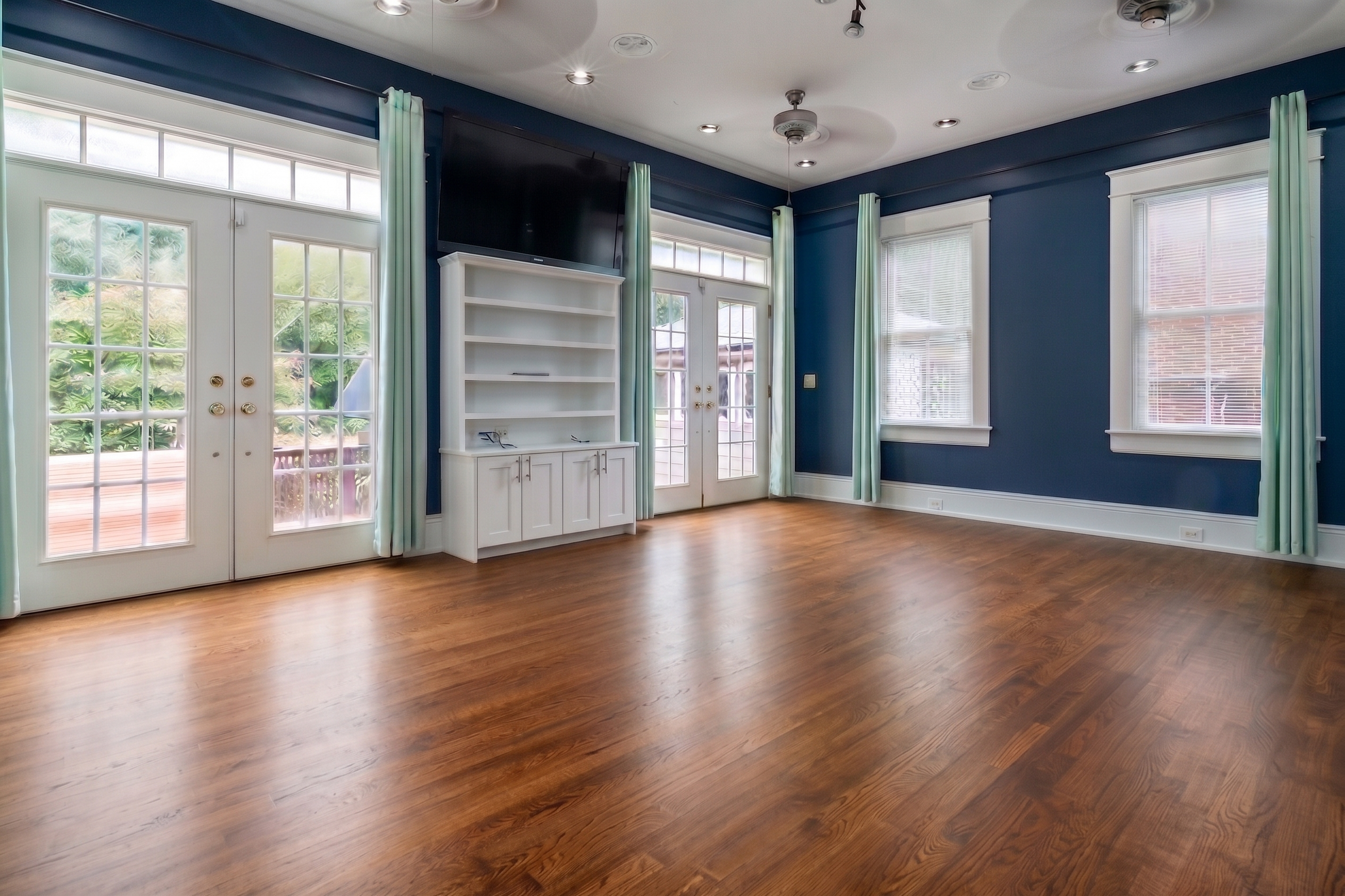
Satin offers a smooth and silky finish with a soft glow that reflects light, giving your wood floors a fuller and richer appearance.
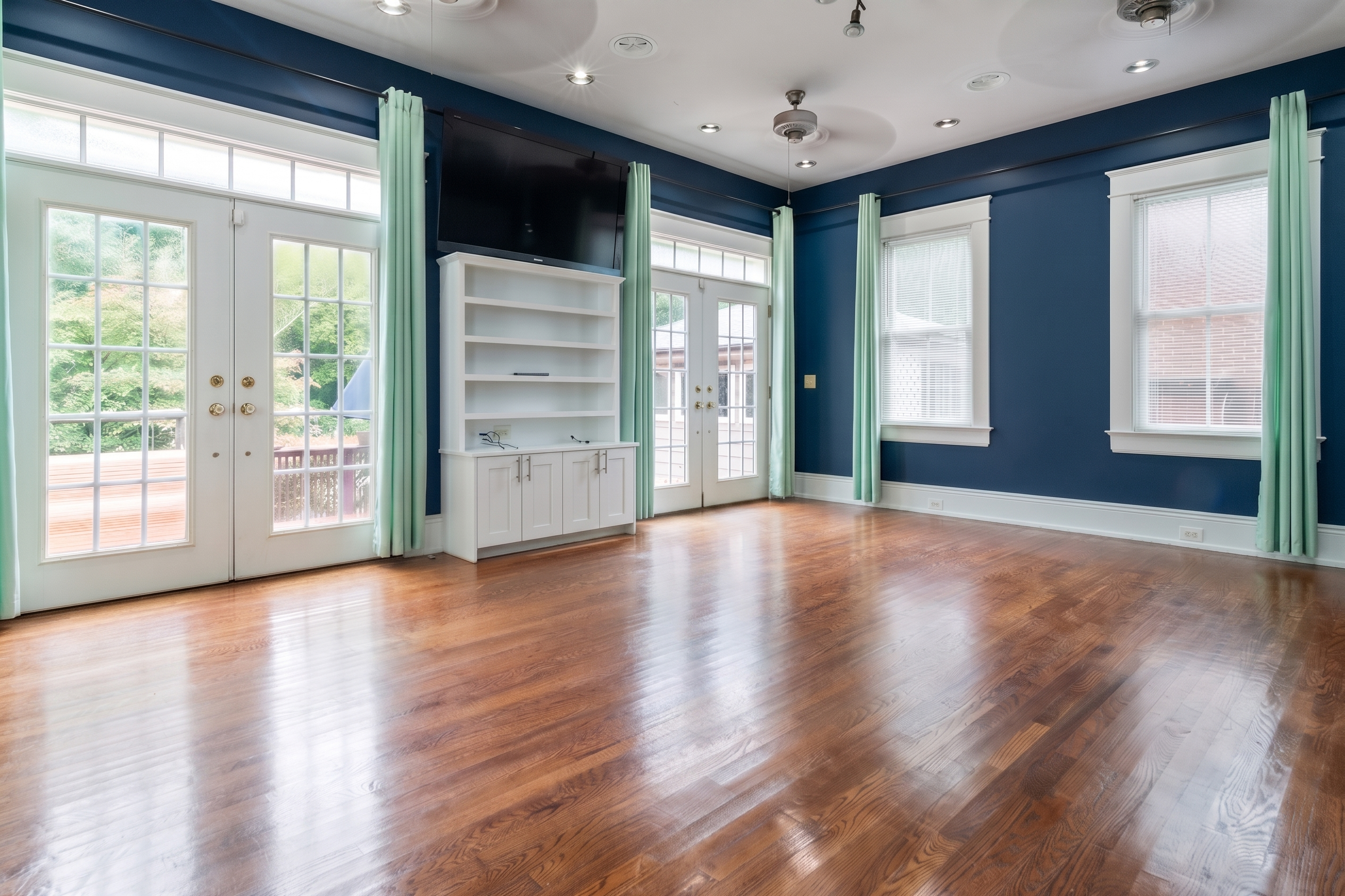
Semi-gloss provides a durable and stain-resistant finish that reflects more light than satin, creating a shiny and polished look that highlights details.
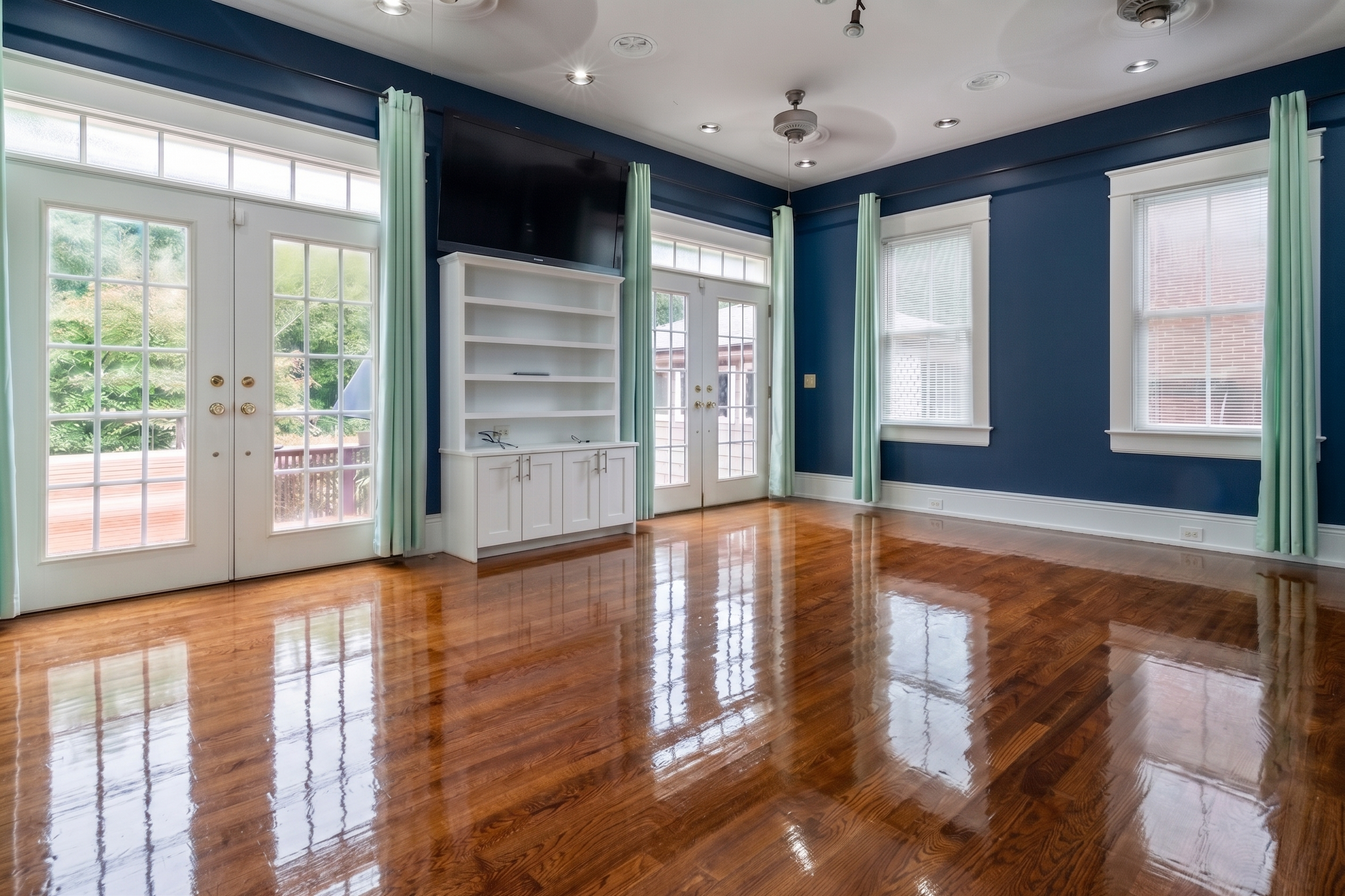
Gloss offers a high-shine finish that reflects the most light, making your wood floors look bright and attention-grabbing, perfect for a modern and sophisticated feel.
ReCoating restores the protective wear layer without grinding the floor down to bare wood.
ReCoating renews the top protective layer on compatible floors, helping dull, scuffed, or traffic-worn rooms look refreshed without the dust, time, and cost of a full sand-and-refinish.
What you see is what you get. Choose ReCoat Revolution for prices that are a fraction of what others charge.
We schedule a FREE consultation and provide an estimate so you have all the information to make an informed decision.
Unlike competitors, our prices are a fraction of what others charge. Commitment to affordability and quality.
$1.50–$3.50per square foot
When you work with ReCoat Revolution, you get an estimate sometimes within the same day you call or within hours.
Don’t let dirt, wear, or outdated finishes diminish the beauty of your hardwood floors. Contact ReCoat Revolution today and restore your floors with our professional touch.
Get Your FREE Quote FASTConnect with us now to schedule your FREE Consultation. With the transformative magic of the Clean ReCoat Process, you can revitalize your home's allure, bolster its resilience, and amplify its overall value.
FREE Estimate1000’s of Happy Customers