wood floor care
Remove Wax Buildup from Hardwood Floors
How to remove wax buildup from hardwood floors and acrylic polish layers like Mop & Glo so a ReCoat will actually stick.
Why do my wood floors look smudged and dirty?
Are your floors looking worn out and dull? Do you want to restore their natural beauty and bring back that wow factor? Look no further, as we have expert tips for you on acrylic and wax removal from your wood floors. With the right techniques, you can say goodbye to those unsightly layers and hello to a fresh, clean floor.
ReCoat Revolution understands the importance of maintaining the aesthetics of your space and your wood floors. That’s why we are here to guide you through the process, ensuring your floors regain their former glory. Whether it’s removing stubborn acrylic stains or old wax buildup, we have you covered.
In this article, we will share industry secrets and insider tips to help you tackle this task like a pro. From choosing the right tools and products to step-by-step instructions, we’ve got everything you need. Don’t let the layers of acrylic and wax buildup keep your wood floors from looking their best any longer. Get ready to witness the transformation and enjoy the natural beauty of your floors once again.
Understanding Acrylic and Wax Coatings
Acrylic and wax are chemicals present in nearly all wood floor cleaners and coatings today. These products are popular choices used for protecting and enhancing the appearance of wood floors. Cleaners with acrylic components to their coatings initially create a durable, glossy layer that adds shine and depth to your floors. Wax, on the other hand, initially provides a protective barrier that helps prevent stains and scratches. While these coatings can be temporarily effective, they also accumulate layer by layer over time, leading overall to a dull, uneven appearance.
It’s important to understand the nature of these coatings before attempting to remove them. Acrylic coatings are typically water-based, making them easier to remove compared to wax, which is oil-based. The removal process varies depending on the type of coating that exists on the surface of your wood floor. Unfortunately, the hardwood floor cleaning market is flooded with fraudulent ‘floor redeemers’ such as Murphy’s Oil Soap, Pine-Sol, and others. Sadly, many have fallen victim to their false advertising.
Products containing acrylic and wax are the biggest culprits to making your floors feel tacky and look smudged; although they may temporarily make your wood shiny, they quickly dull them and leave a waxy residue behind. So be careful when searching the stores for wood floor cleaners. If you aren’t sure where to start and what to avoid, check out some of our other blogs! Now that you know why your floors are waxy and oily, let’s investigate how to remove it.
Signs You Need Wood Floor Acrylic and Wax Removal
Over time, acrylic and wax found in wood floor cleaners can become worn out, discolored, and uneven in appearance. Here are some signs that indicate it’s time for acrylic and wax removal from your wood floors:
1. Dull appearance: If your floors have lost their shine and luster, it’s likely that the acrylic or wax coating has degraded. This can make your floors look dull and lifeless, detracting from the overall aesthetics of your space.
2. Yellowing or discoloration: Over time, acrylic and wax coatings can yellow or become discolored, especially in areas with high foot traffic or exposure to sunlight. This discoloration can be unsightly and difficult to remove without proper techniques.
3. Uneven wear: If you notice that certain areas of your floors have more wear and tear than others, it could be a sign that the acrylic or wax coating has worn off in those areas. This can result in an uneven appearance that is particularly noticeable under certain lighting conditions.
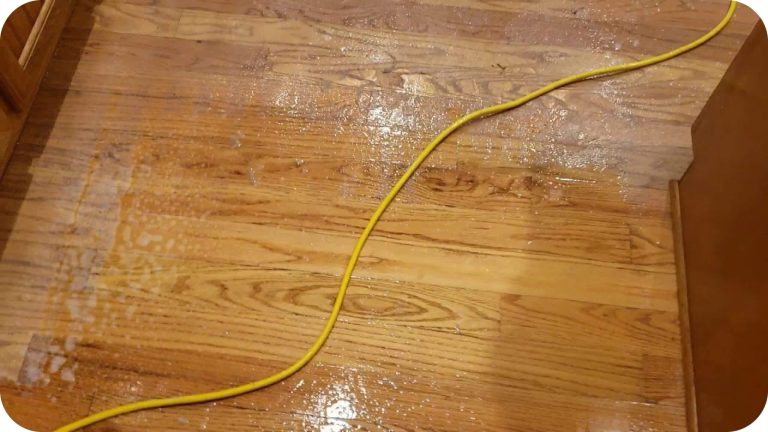
4. Tacky and waxy feel: No matter how many times you clean your floors, they still have a sticky and tacky feel to them.
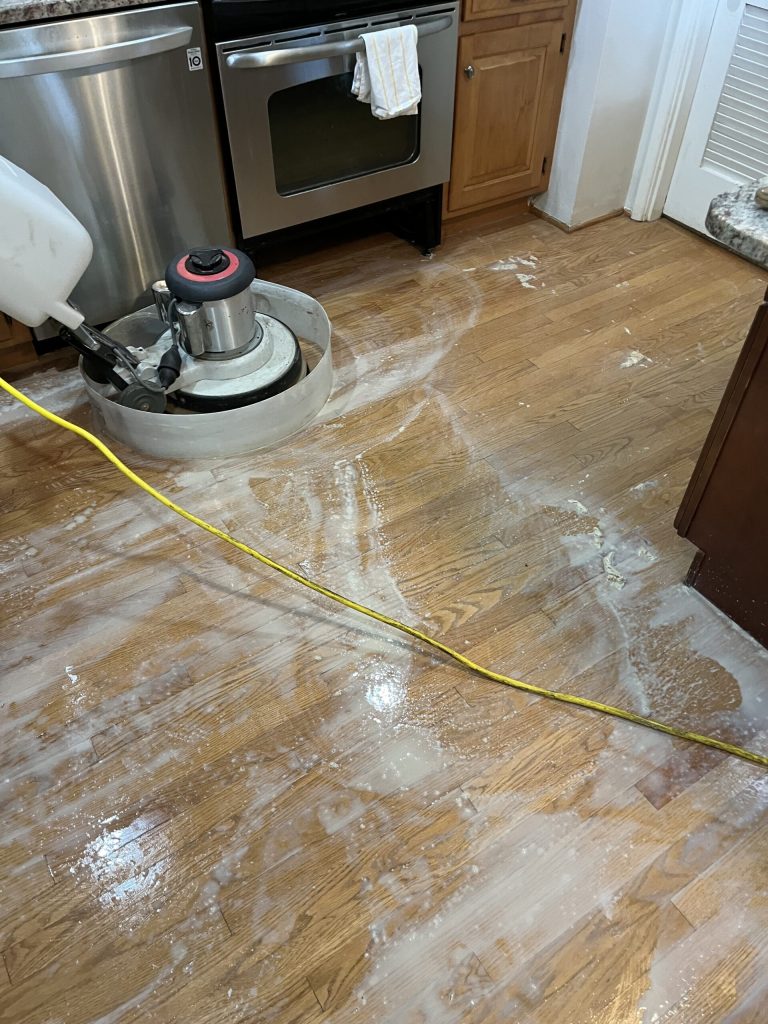
If you observe any of these signs, it’s time to consider removing the acrylic and wax coatings from your floors. When dealing with oily residue on your floors, it’s best to leave it to the professionals. This process requires deep cleaning with commercial cleaners and tools. Buffing and chemically removing acrylic and wax is the only way solution for removing this build-up. Unfortunately, no common household cleaners on the market today are powerful enough to tackle this thick residue without damaging the finish on your wood floor. However, don’t worry because ReCoat Revolution is here to help! If you decide to tackle this project yourself, follow this guide to get started.
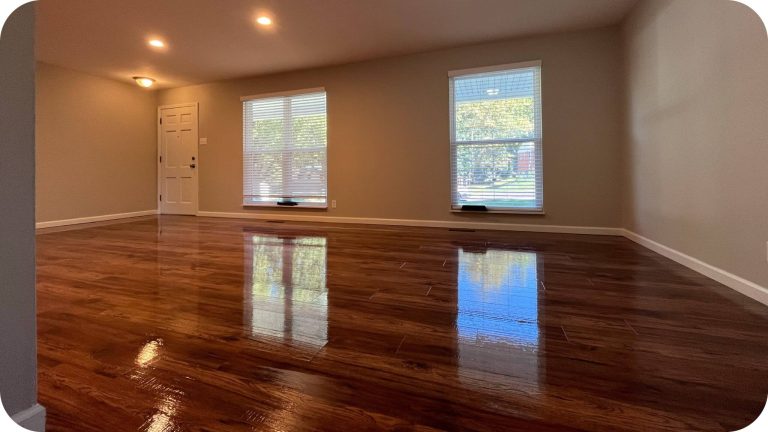
Guide to Remove Acrylic and Wax From Your Wood Floor
Acrylic and wax removal from your wood floors requires a systematic approach. Follow these steps for successful removal:
1. Clear the area: Remove any furniture, rugs, or obstacles from the area, ensuring unrestricted access to the floors.
2. Test in a small area: Before applying any products or techniques to the entire floor, test them in a small, inconspicuous area. This will help you assess the effectiveness and safety of the products.
3. Apply the chemical stripper: If you’re dealing with acrylic coatings, apply the chemical stripper as per the manufacturer’s instructions. Use a brush or roller to ensure even coverage. Leave the stripper on the floor for the recommended time, allowing it to dissolve the acrylic coating.
4. Scrape off the top layer: Once the stripper has had sufficient time to work, use a floor scraper or putty knife to scrape off the top layer of the acrylic coating. Work in small sections, applying gentle pressure to avoid damaging the floor.
5. Repeat the process if necessary: If there are any stubborn areas or remaining residue, repeat the application of the chemical stripper and scraping process until the acrylic coating is completely removed.
6. Rinse and clean the floor: After removing the acrylic coating, rinse the floor with clean water to remove any traces of the chemical stripper. Use a mop or scrub pad to clean the floor thoroughly, removing any remaining residue.
7. Dry the floor: Allow the floor to dry completely before moving on to the next step. This will ensure optimal results when removing wax coatings.
8. Apply the wax remover: If you’re dealing with wax coatings, apply a wax remover or stripper to the floor as per the manufacturer’s instructions. Use a soft-bristle brush or scrub pad to ensure even coverage.
9. Scrub away the wax residue: After applying the wax remover, scrub the floor with a soft-bristle brush or scrub pad to remove any remaining wax residue. Work in small sections, applying gentle pressure to avoid damaging the floor.
10. Rinse and clean the floor: Once you’ve removed all the wax residue, rinse the floor with clean water to remove any traces of the wax remover. Use a mop or scrub pad to clean the floor thoroughly, ensuring a fresh, clean surface.
11. Dry the floor: Allow the floor to dry completely before moving on to the next step. This will ensure optimal results when restoring the natural beauty of your floors.
Following these steps will help you effectively remove acrylic and wax coatings from your floors. Now, let’s explore some additional tips for effective floor restoration.
Professional Wood Floor Restoration Services
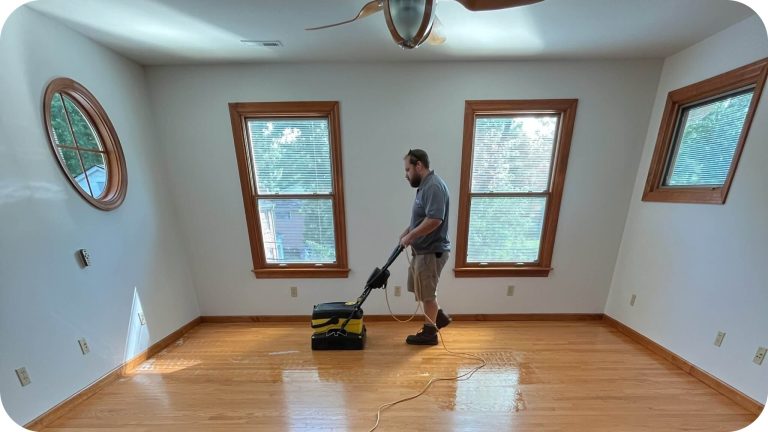
If you prefer to leave the removal and restoration process to the experts, professional floor restoration services are an excellent option. These professionals have the knowledge, experience, and specialized equipment to tackle even the most challenging floor restoration projects.
When hiring professional floor restoration services, look for a reputable company with a track record of successful projects. Request references, read customer reviews, and ask for examples of their previous work. A professional team will assess the condition of your floors, recommend the best course of action, and execute the restoration process with precision and care. We recommend using ReCoat Revolution as your source for all hard surface and wood floor solutions. We love restoring the natural beauty of wood floors and we will ensure that your floors regain their former glory.
A Little About ReCoat Revolution
At ReCoat Revolution, we provide complete hardwood floor care. Need to show a 100-year-old floor some love? Good, we love saving old floors. Are your floors youngsters but a little banged and bruised from the dog’s nails? We’ve seen it a million times. With over 25 years of experience in and around the custom wood floor business, we know our stuff and we’ll share it with you if it’ll help you solve a problem you have.
Are you ready to bring your floors back to life with our easy process? Contact us now to get the help you need.