
wood floor care
How to Remove Wax from Hardwood Floor: Full Guide
How to remove wax from hardwood floor surfaces – paste wax vs liquid wax, the right solvents, and when DIY stripping makes sense vs hiring a pro.
Maintaining your floors is essential for preserving their beauty, functionality, and safety. Over time, wax and acrylic coatings can accumulate, leaving surfaces dull, sticky, or even dangerously slippery. Whether it’s hardwood, vinyl, or tile, knowing how to remove these coatings effectively is key to restoring your floor’s original luster. In this blog, we’ll explore how to remove wax from floors safely and efficiently, tackling build-up and preventing future issues.
Why Removing Wax and Acrylic from Floors is Important
The Build-Up of Wax and Acrylic Over Time
Wax and acrylic coatings are designed to protect floors and enhance their appearance, but over time, they can accumulate into thick layers. This build-up traps dirt and grime, leaving your floors cloudy and discolored. Heavy wax or acrylic layers can also create uneven surfaces, making cleaning more challenging.
Impact on Floor Appearance and Safety
Beyond the cosmetic issues, wax and acrylic build-up can pose safety hazards. Floors with excessive coatings may become slippery, increasing the risk of slips and falls. Alternatively, the coatings can become sticky and tacky, which attracts more dirt and degrades the overall flooring condition.
Benefits of Removing Wax and Acrylic Coatings
Removing these coatings restores your floors’ natural shine and texture, improving traction, and extending their lifespan. Eliminating unnecessary layers will also make routine cleaning easier and ensure the flooring remains in optimal condition for years.
How to Identify Wax vs. Acrylic Coatings on Your Floors
Visual Clues That There is Wax or Acrylic Coatings on the Floor
Identifying whether your floor has wax or acrylic coatings often involves visual inspection. While both can enhance a floor’s appearance, they leave different finishes:
-
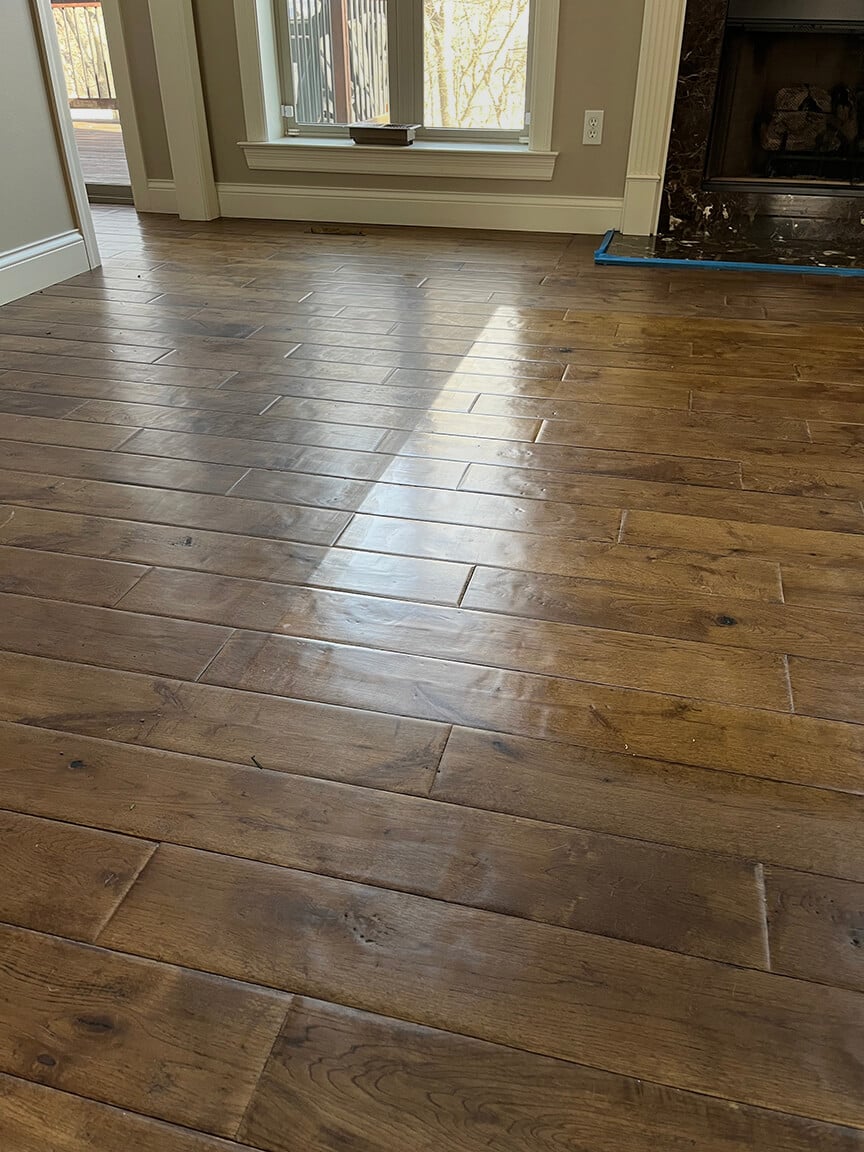
- Wax Coatings: Wax tends to create a rich, glossy finish that gives the floor a polished, almost wet look. Over time, however, wax can turn cloudy or yellow, especially if dirt becomes trapped in layers. Check for the thick build-up in corners or along edges, as this is where excess wax typically accumulates.
-
- Acrylic Coatings: Acrylic finishes are generally more matte in appearance but can still have a subtle sheen, depending on the product used. Acrylic coatings tend to form harder, more uniform layers and discoloration might appear as patches rather than an overall haze.
Inspect the flooring under various lighting conditions to catch any irregularities, like dull spots or streaks, that might indicate a build-up of either material. Pay attention to high-traffic areas, as they often show the most wear and build-up, making it easier to identify the type of coating.
Test to Differentiate Wax from Acrylic
If you’re having difficulty visually distinguishing the coating type, a simple test can help you determine whether your floor has a wax or acrylic coating. These tests can save you from using an inappropriate cleaning solution, which could damage your flooring.
- The Warm Water Test for Wax:
-
- Dampen a clean cloth with warm water and gently rub a small, inconspicuous area of the floor.
-
- If the coating softens, smears, or comes off onto the cloth, it’s likely wax. Wax is water-soluble to a degree and responds to heat and moisture, making this test a reliable indicator.
-
- The Vinegar Test for Acrylic:
-
- Mix one part vinegar with three parts water. Using a clean cloth or sponge, apply a small amount to a discreet area of the floor.
-
- If the coating reacts by turning slightly milky or lifting, it’s an acrylic finish. Acrylic coatings are more resistant to water alone but are sensitive to vinegar’s acidic properties.
-
Tip: Perform these tests in areas that aren’t highly visible, such as behind furniture or along a baseboard. Once you’ve identified the coating, you can confidently choose the correct removal method.
Step-by-Step Guide for Removing Wax from Floors
Tools and Materials You Will Need
Before starting the wax removal process, gather all the necessary tools and materials to make the process as efficient and safe as possible. Having everything on hand will save time and prevent interruptions.
- Basic Tools:
-
- Mop (preferably microfiber or sponge)
-
- Soft-bristle scrub brush or scrubbing pad
-
- Bucket for mixing solutions
-
- Cleaning Agents:
-
- Commercial wax remover or stripper, OR
-
- Ingredients for a homemade solution such as vinegar, baking soda, or dish soap
-
- Protective Gear:
-
- Rubber gloves to protect your hands from chemicals
-
- Safety goggles if using a commercial stripper to avoid splashes
-
- Additional Materials:
-
- Old towels or rags for drying and wiping up residue
-
- Clean water for rinsing
-
- Optional: Floor buffer for larger areas or professional-quality results
-
Being prepared ensures a smoother process and minimizes the risk of damaging your floors.
Method 1: Using a Commercial Wax Remover
A commercial wax remover is one of the most effective ways to strip wax from floors. These products are designed to dissolve wax quickly and safely. To use, follow these steps:
- Read the Instructions: Always read and follow the manufacturer’s guidelines to ensure the best results and protect your flooring. Different products may have unique requirements.
- Prepare the Area: Clear the floor of furniture, rugs, and any obstacles. Sweep or vacuum to remove dust and debris that could scratch the surface during scrubbing.
- Apply the Wax Remover: Dilute the commercial wax remover as instructed (if necessary) and pour or spray it onto a small section of the floor. Allow it to sit for the recommended time to loosen the wax.
- Scrub the Surface: Use a soft-bristle brush, scrub pad, or mop to agitate the solution and lift the wax. Work in small sections to maintain control over the process.
- Rinse Thoroughly: Once the wax is removed, use a clean mop and warm water to rinse the area and remove any residual product.
Tip: Ventilate the room to avoid inhaling strong chemical fumes, and always test the product on a small, inconspicuous area first.
Method 2: Homemade Wax Removal Solution
If you prefer a natural or budget-friendly alternative, a DIY wax removal solution can work just as well. Here’s how to create and use it:
- Prepare the Solution: Mix one part white vinegar, one part warm water, and a few drops of dish soap in a bucket. For tougher build-up, add a small amount of baking soda for extra cleaning power.
- Apply the Solution: Using a mop or sponge, apply the mixture generously to the floor. Let it sit for five to ten minutes to break down the wax.
- Scrub the Floor: Use a soft-bristle brush or scrub pad to work the solution into the wax gently. Focus on areas with visible build-up or discoloration.
- Rinse and Repeat: Mop the floor with clean water to remove wax residue. Repeat the process if necessary until all wax is gone.
Note: While natural solutions are effective, they may require more elbow grease than commercial products. Use caution with delicate flooring types, as acidic ingredients like vinegar may not suit all surfaces.
Scrubbing Techniques for Effective Wax Removal
Proper scrubbing is essential to remove wax without damaging the floor. Here are some best practices:
- Use the Right Tools: A soft-bristle scrub brush or microfiber scrub pad is ideal for most flooring types. Avoid abrasive brushes that could scratch the surface. A toothbrush can help clean grooves and crevices on textured floors.
- Apply Even Pressure: When scrubbing, use consistent, moderate pressure to lift the wax without harming the floor’s finish. For stubborn spots, increase pressure gradually but cautiously.
- Work in Sections: Divide the floor into manageable sections, focusing on one area at a time to avoid letting the cleaning solution dry before scrubbing.
- Rinse Frequently: As you scrub, periodically rinse your tools and the floor to prevent the wax residue from spreading to other areas.
Rinsing and Buffing for a Streak-Free Finish
Once the wax has been removed, finishing the process correctly is key to restoring your floor’s shine and smoothness:
- Rinse Thoroughly: Mop the floor with clean, warm water to remove any lingering wax or cleaning solution. Repeat as necessary to ensure no residue remains.
- Dry the Floor: Use old towels or rags to dry the floor completely. This prevents water spots or streaks from forming.
- Buff the Surface: Use a microfiber cloth or a floor buffer to polish the floor. This step restores the natural shine and ensures an even finish.
- Inspect for Missed Spots: After buffing, check the floor under good lighting for any remaining wax. Spot clean as needed to address overlooked areas.
Tip: Avoid walking on the floor until it is completely dry to maintain the streak-free finish and prevent new dirt or scuffs.
Step-by-Step Guide for Removing Acrylic Coatings from Floors
Tools and Materials You Will Need
Removing acrylic coatings requires a specific set of tools and materials to ensure efficiency and protect your floor from damage. Here’s what you’ll need:
- Essential Tools:
-
- Mop (preferably microfiber or sponge)
-
- Bucket for mixing solutions
-
- Scrubbing pad or soft-bristle brush
-
- Floor scraper for stubborn areas (optional)
-
- Cleaning Agents:
-
- Commercial acrylic floor stripper designed for your flooring type, OR
-
- DIY alternatives, such as a mixture of ammonia and water
-
- Safety Gear:
-
- Rubber gloves to protect your hands from harsh chemicals
-
- Safety goggles to shield your eyes from splashes
-
- A face mask if using strong chemical solutions in a poorly ventilated area
-
- Additional Items:
-
- Clean water for rinsing
-
- Absorbent towels or rags for drying○ Floor buffer for large spaces or professional-grade results
-
Method 1: Using a Commercial Acrylic Floor Stripper
A professional-grade acrylic stripper is one of the most effective ways to remove acrylic coatings, especially for larger areas or thick build-up. Here’s how to get the best results:
- Read the Product Label: Always check the manufacturer’s instructions to understand dilution requirements, application time, and any precautions to the product.
- Prepare the Area: Clear the floor of any furniture, rugs, or obstructions. Sweep or vacuum to remove dust and debris.
- Apply the Stripper: Dilute the acrylic floor stripper if required and pour it into a spray bottle or directly onto the floor. Work in small sections, evenly distributing the solution. Allow the stripper to sit for the recommended duration to break down the acrylic coating.
- Scrub the Coating: Use a soft-bristle brush or scrubbing pad to agitate the solution and lift the acrylic. Focus on high-traffic areas where build-up is often heaviest.
- Remove Residue: Mop the area with clean water to remove loosened acrylic and stripper residue. Repeat as necessary until the floor is clean.
Tip: Ventilate the room by opening windows or using fans to disperse fumes. Test the stripper on a small, inconspicuous area before applying it to the entire floor.
Method 2: DIY Acrylic Removal Solution
A DIY solution can be a viable alternative for a cost-effective, environmentally friendly option. Here’s how to create and use it:
- Prepare the Solution: Combine one gallon of warm water with one cup of ammonia and a few drops of mild dish soap. Mix thoroughly in a bucket.
- Apply the Solution: Using a mop or sponge, apply the mixture to the floor in manageable sections. Let it sit for five to ten minutes to soften the acrylic coating.
- Scrub the Floor: A scrubbing pad or soft-bristle brush lifts the coating. For stubborn spots, increase pressure or apply a little more solution.
- Rinse the Floor: Mop with clean water to remove residue. Repeat the process if necessary to remove the acrylic altogether.
Note: Ammonia has a strong odor, so ensure proper ventilation. Avoid mixing ammonia with bleach or other chemicals, which can produce harmful fumes.
Techniques for Using a Floor Buffer
For large areas or thick acrylic coatings, a floor buffer can make the process faster and more efficient. To use one effectively, be sure to:
-
- Choose the Right Pad: Select a non-abrasive or medium-abrasive pad suitable for your floor type. Abrasive pads can damage delicate surfaces, so choose wisely.
-
- Prepare the Buffer: Attach the pad securely to the buffer. Plug in the machine and test it on a small, inconspicuous area to ensure it’s safe for your flooring.
-
- Work in Sections: Move the buffer slowly across the floor in overlapping passes to ensure complete coverage. Pay extra attention to areas with heavy build-up.
-
- Monitor Progress: Stop periodically to wipe away loosened acrylic and check your progress. Adjust the pressure as needed, but avoid pushing down too hard, which could damage the floor.
-
- Clean Up Residue: After using the buffer, mop the floor with clean water to remove debris and any remaining acrylic particles.
If you’re unfamiliar with operating a floor buffer, consider watching a tutorial or seeking professional help to avoid accidental damage.
Final Rinsing and Sealing of the Floor
After removing the acrylic coating, it’s essential to finish the process correctly to restore your floor’s appearance and protect it from future damage.
- Rinse Thoroughly: Mop the floor with clean, warm water to remove any remaining stripping solution or debris. Change the water frequently to ensure a thorough clean.
- Inspect the Surface: Check for any missed spots. Reapply the stripper or solution to stubborn areas as needed, then rinse again.
- Dry the Floor: Use absorbent towels or rags to dry the surface completely. This step prevents water spots and ensures the floor is ready for sealing or further maintenance.
- Apply a New Sealant (If Necessary): If the floor requires additional protection, apply a compatible sealant or finish according to the manufacturer’s instructions. This helps extend the floor’s lifespan and prevents future coating build-up.
Tip: Always match the sealant to your floor type–hardwood, tile, or vinyl–to ensure durability and compatibility.
How to Prevent Future Wax and Acrylic Build-Up on Floors
Regular Maintenance and Cleaning Routine
A consistent cleaning routine is the most effective way to prevent wax and acrylic build-up on floors. Proper maintenance ensures that floors stay clean and shiny without the need for frequent stripping.
-
- Daily Cleaning: Sweep or vacuum daily to remove dirt, dust, and debris that can scratch floors and cause premature wear. Use a soft-bristle broom or a vacuum with a hardwood-safe attachment.
-
- Weekly Mopping: Mop with a gentle, non-abrasive floor cleaner once a week to remove surface grime. Avoid using wax-based or oil-based cleaners unless specified for your floor type, as these can leave behind residues. Microfiber mops are ideal for routine cleaning as they effectively capture dirt and are gentle on floor surfaces.
-
- Spot Cleaning: To prevent the need for more intensive cleaning later, immediately address spills or sticky areas with a damp cloth and mild cleaner.
-
- Avoid Overuse of Floor Finishes: Reapplying wax or acrylic finishes too frequently can lead to unnecessary build-up. Only reapply when the existing finish shows signs of wear.
Choosing the Right Floor Finish for Long-Term Durability
Not all floor finishes are created equal, and selecting the right one can make a big difference in how easy it is to maintain your floors. Here’s what to consider:
-
- Water-Based Sealants: These finishes are easy to apply, quick to dry, and less likely to create heavy build-up. They’re an excellent choice for high-traffic areas.
-
- Low-Maintenance Alternatives: Look for finishes labeled as “low-maintenance” or “no-wax” specifically designed to resist build-up and require minimal upkeep.
-
- Consult Manufacturer Recommendations: Always choose a floor finish compatible with your flooring material. Using the wrong product can lead to damage or uneven wear.
-
- Professional-Grade Finishes: Professional-grade finishes are durable for areas with heavy foot traffic and less prone to discoloration or build-up over time.
ReCoat Revolution offers acrylic and wax removal services designed to simplify floor maintenance and eliminate the need for frequent stripping and ReCoating.
Using Floor Mats and Rugs to Protect High-Traffic Areas
Strategically placing floor mats and rugs in high-traffic areas is an easy way to prevent wear and tear while reducing the need for wax or acrylic coatings.
-
- Entryways: Place durable mats at all entry points to capture dirt, water, and debris before it reaches your floors. Choose mats with non-slip backing to ensure safety.
-
- Kitchen and Dining Areas: Use area rugs under sinks and dining tables where spills are common. These rugs protect floors from stains and moisture that can damage finishes.
-
- Hallways and Living Areas: Protect high-traffic pathways to runners or rugs to minimize wear in these areas.
-
- Regular Maintenance of Mats and Rugs: Clean mats and rugs regularly to prevent them from collecting dirt or moisture that could damage the floors underneath.
Tip: Avoid using mats or rugs with rubber or latex backings on hardwood or sensitive floors, as these can discolor the surface over time.
Common Mistakes to Avoid When Removing Wax and Acrylic from Floors
Using Harsh Chemicals or Abrasive Tools
One of the most common mistakes is using overly harsh chemicals or abrasive tools during removal. While these might seem effective initially, they can cause irreparable damage to your floors.
-
- Chemical Burns: Hard products like undiluted ammonia, bleach, or industrial-strength solvents can eat away at the floor’s finish and leave discoloration or pitting.
-
- Abrasive Scrubbing Pads: Steel wool, scouring pads, or other rough materials can scratch and gouge the floor’s surface, ruining its appearance.
-
- Incorrect Dilution: Even recommended products can cause harm if not diluted properly. For safe use, always follow the manufacturer’s instructions.
Use products and tools specifically designed for the type of floor you’re working on. Soft brushes, microfiber cloths, and mild solutions are safer and more effective when used correctly.
Skipping the Test Phase
A common oversight is failing to test products and methods in a small, inconspicuous area, which can lead to unintended damage. Every floor is unique, and what works for one surface may not be ideal for another.
-
- Unexpected Reactions: Certain finishes may react poorly to commercial or homemade strippers, leading to discoloration or weakening of the flooring material.
-
- Incompatibility Issues: Some wax or acrylic removal solutions are unsuitable for specific floor types, such as laminate or engineered wood, which may have sensitive top layers.
Test your chosen product or solution on a hidden area, such as under furniture or in a corner, before applying it to the entire floor. Observe the area for at least 24 hours to ensure no adverse effects.
Not Following Manufacturer Instructions
Many people make the mistake of skipping over product instructions, assuming they know how to use it. This can lead to ineffective results or, worse, floor damage.
-
- Over-Application: Using too much product can leave behind residues or cause uneven coating removal.
-
- Incorrect Timing: Allowing products to sit too long can damage the floor, while not leaving them on long enough can result in incomplete stripping.
-
- Improper Rinsing: Failing to rinse thoroughly after using a chemical remover can leave residues that attract dirt or create sticky spots.
Always read and follow the instructions with commercial products and pay attention to recommended application methods, sitting times, and rinsing requirements.
Match the method to the material
A localized candle-wax spill is different from a floor-wide maintenance layer. If your next goal is a new finish, read why polyurethane should not go straight over wax before choosing a removal process.
Final Tips for Maintaining Your Floor’s Shine and Safety
Proper floor care is essential to preserving your space’s appearance and functionality. By following routine maintenance, using the right finishes, and avoiding common mistakes, you can keep your floors looking great while minimizing the need for heavy-duty restoration.
If you’re dealing with stubborn wax or acrylic build-up, St Louis Floor Refinishing services can help.
Our team of experts uses safe, effective methods to restore your floors’ natural beauty while protecting them for the future. Contact us today to learn more about our professional floor care solutions and take the first step toward flawless, long-lasting floors.