
wood floor care
Best Time of Year to Refinish Hardwood Floors
Best time of year to refinish hardwood floors: how humidity and temperature affect cure, why spring and fall win, winter vs summer ReCoat tradeoffs.
Why Seasonal Considerations Matter for Floor Refinishing in St. Louis
St. Louis experiences various weather conditions throughout the year, from hot and humid summers to cold and dry winters. These seasonal shifts significantly impact hardwood flooring, affecting how the wood expands, contracts, and reacts to refinishing treatments. Because of this, when you need to refinish your hardwood floors in St. Louis, it’s crucial to consider the time of year for the best, long-lasting results.
St. Louis Climate Overview
The St. Louis climate presents unique challenges for hardwood floor refinishing. During summer, the city experiences sweltering temperatures with high humidity levels. In winter, temperatures can range from frigid to spring-like, often accompanied by dry air. These extremes can affect refinishing, influencing drying times, adhesion, and overall floor stability.
Summer Humidity & Its Effect On Hardwood Floor Refinishing
St. Louis summers are known for high temperatures and extreme humidity, which can significantly impact hardwood floor refinishing. Generally, bare wood is a hygroscopic material that absorbs and releases moisture based on the surrounding environment. When there is excessive humidity, wood naturally expands as it absorbs the moisture from the air. This moisture absorption and release occurs in your floors, too, whether you have engineered hardwood or solid hardwood floors.
When you want to refinish your hardwood floors, the extra moisture in summer air can interfere with drying times, adhesion, and finish quality. Understanding these challenges and taking the right precautions will help ensure a successful refinishing project during summer.
How High Humidity Affects Drying Times
When refinishing hardwood floors, humidity is critical in how fast wood stain, sealers, and topcoats dry. Excessive moisture in the air leads to:
- Slower Drying and Curing: High humidity increases the time it takes for refinishing products to evaporate and set. This prolongs the process and increases the risk of dust and debris settling into the wet finish.
- Sticky or Tacky Finishes: If the finish does not dry properly due to excessive moisture in the air, it can remain sticky for longer than usual, making the floor vulnerable to imperfections, smudging, or uneven curing.
- Potential Finish Failure: If humidity is too high, finishes may not adhere correctly to the wood, leading to bubbling, clouding, or peeling over time. This can result in a refinishing job that doesn’t last as long as it should.
Strategies for Refinishing in Humid Summers
To combat summer humidity challenges, professionals use several strategies to create the best conditions to refinish your hardwood floors:
- Control Indoor Humidity Levels: Use air conditioning or dehumidifiers to maintain between 40% and 50% indoor humidity levels. This prevents excessive wood expansion and ensures the finish dries at the correct rate. Close windows and doors to prevent outside moisture from seeping in and affecting drying times.
- Choose Fast-Drying or Humidity-Resistant Finishes: Water-based polyurethane dries faster than oil-based finishes, making it a better option in humid conditions. Some manufacturers offer humidity-resistant finishing products that cure more effectively in summer conditions.
- Refinish During Low-Humidity Hours: Early morning and late evening tend to be more humid, so scheduling refinishing work during the middle of the day, when indoor air conditioning has had time to regulate humidity, can yield better results.
- Ensure Proper Air Circulation: While good airflow helps the finish dry evenly, excessive air movement (like running ceiling fans on high) can introduce dust into the drying finish. Instead, use controlled ventilation with air purifiers or fans set to low speeds.
- Monitor Weather Conditions: Avoid refinishing on days with extreme humidity spikes or heavy rainfall, as moisture in the air will be at its peak. Checking the local weather forecast can help plan the best time for refinishing.
Winter’s Cold & Dry Air: Hardwood Floor Refinishing Challenges
Winter in St. Louis brings cold temperatures and dry indoor air, which present unique challenges when refinishing hardwood floors. If not properly managed, environmental factors can affect the wood, the refinishing process, and the final results.
How Cold Temperatures & Dry Air Affect Hardwood Floors
During winter, heating systems create dry conditions that cause hardwood floors to lose moisture, leading to shrinkage. As a result, those with wood floors may notice:
- Gaps Between Planks: The moisture loss causes individual planks to contract, creating noticeable gaps between boards. Refinishing at this time may not yield the best results because once humidity levels rise again in warmer months, the wood will expand, potentially affecting the newly applied finish.
- Increased Brittleness: Dry wood becomes more fragile and susceptible to cracking or splintering, making it more delicate for work to be completed.
Impact of Cold Temperatures on Finish Curing and Adhesion
Temperatures are crucial in how well the floor finishes cure. Most hardwood floor finishes, like an oil-based polyurethane finish or water-based coating, require a specific temperature range for optimal curing, typically between 60°F and 80°F. Cold temperatures can cause:
- Slower Drying Times: When temperatures drop below recommended levels, finishes take longer to dry and cure, extending the overall project timeline.
- Poor Adhesion: The finishing product may not bond properly with the wood surface, leading to peeling, bubbling, or an uneven coat.
- Inconsistent Sheen: Inadequate curing can cause a cloudy or streaky appearance, diminishing the floor’s final look.
How Static Electricity and Dust Accumulation in Winter Can Affect Refinishing
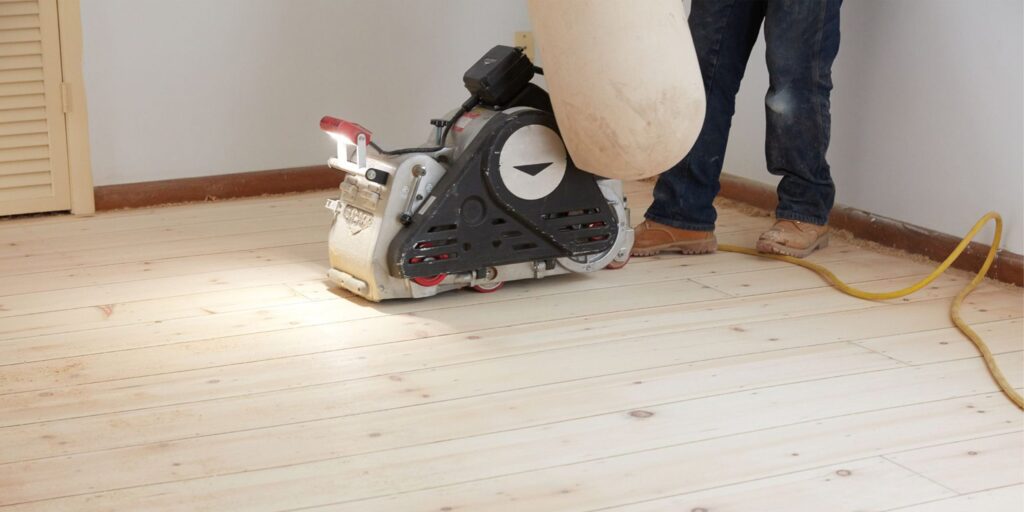
In colder months, low humidity levels can lead to increased static electricity, which attracts airborne dust. This is a known issue with traditional hardwood refinishing methods that involve heavy sanding. Dust can cling to surfaces and settle into the final finish, leading to imperfections or rough textures.
However, with ReCoat Revolution’s sandless Clean ReCoat Process, this is no longer a concern. Since we don’t sand floors down to bare wood, there’s no dust cloud to manage–and no risk of static-charged particles ruining your final coat. Our system is clean, controlled, and designed to deliver smooth, durable results year-round.
Strategies for Refinishing in Cold Winters
- Control Indoor Temperature and Humidity: Keep your home at a stable temperature (ideally around 65-75°F). Use humidifiers to maintain an optimal indoor humidity level (around 40-50%) to prevent excessive shrinkage and static buildup.
- Support Airflow for Adequate Curing: Although our process is dust-free, circulating air with a fan or through a cracked window can help speed up the drying time, especially during colder months.
- Use Finishes Designed for Low Temperatures: Some polyurethane products are formulated to cure better in cooler conditions. Consulting with professionals can help determine the best option for winter refinishing.
Balancing Seasonal Conditions for Successful Hardwood Floor Refinishing
Timing is everything when it comes to hardwood floor refinishing, especially in the ever-changing St. Louis seasons. To achieve the best, longest-lasting results for your wood floors, consider refinishing during the optimal seasons and maintaining stable indoor conditions throughout the year.
While a flooring professional can technically refinish floors anytime, spring and fall are the ideal seasons due to their moderate temperatures and balanced humidity levels.
- Spring (March – May): As the temperatures rise before summer humidity sets in, spring offers excellent conditions for refinishing. Indoor heating no longer dries out the air, and humidity is typically manageable, allowing finishes to cure appropriately.
- Fall (September – November): Fall is excellent as it’s before winter’s dry air and fluctuating temperatures arrive. The mild weather allows homeowners to keep windows open for ventilation without excessive moisture interfering with drying.
Watch the floor across seasons
Our summer humidity guide explains what to monitor during damp weather. The fall gap guide covers the opposite change as indoor conditions become drier. Neither condition should be treated with a finish coat before its cause is understood.
Finding the Right Timing for Refinishing Floors in St. Louis
Understanding the seasonal effects on hardwood floors allows homeowners to choose the best time for refinishing. By considering climate factors and taking the necessary precautions, you can extend the life and beauty of your floors. Whether you need to repair damage or refresh your flooring’s appearance, ReCoat Revolution provides expert floor refinishing services tailored to St. Louis’s unique climate conditions.
Once the work is complete, use our guide to walking on Clean ReCoated floors to plan light traffic, furniture, pets, rugs, and cleaning in the right order.
Contact us today to schedule a free estimate for your refinishing project and ensure stunning, long-lasting results.