
pet damage
How to Fix Pet Damage on Hardwood Floors
How to fix pet damage on hardwood floors: dog urine stains, scratches, fade paths. What you can DIY, what needs sanding pet stains out, and what to call a pro for.
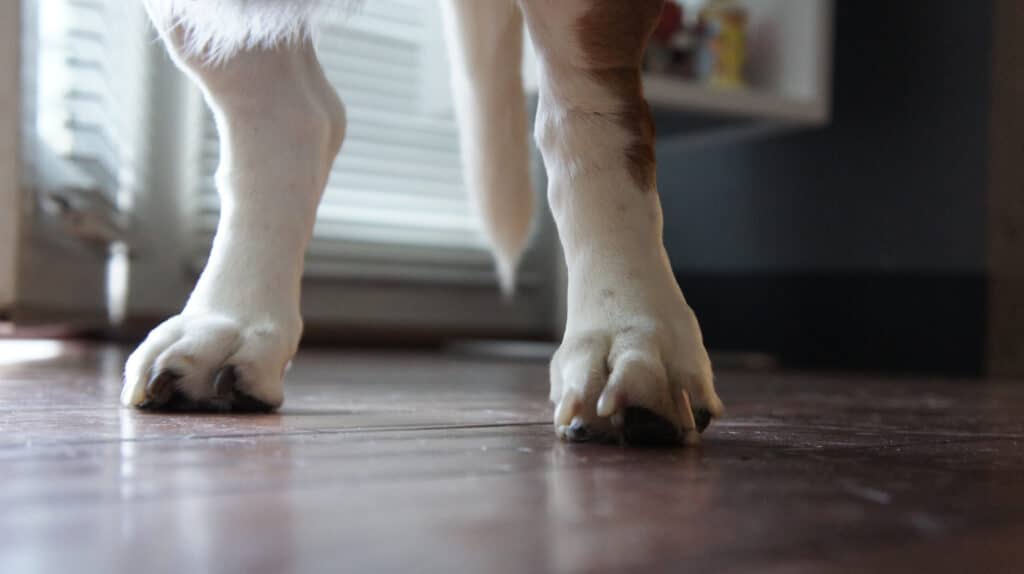
Does your beloved pet’s paws leave unsightly scratches on your beautiful wood floors? Are you tired of constantly worrying about pet damage every time they zoom across the room? Fret not, because we have the solutions to unleash the full potential of your wood floors once again.
In this article, we will delve into expert tips and tricks on how to fix and prevent pet damage to wood floors. From simple DIY remedies to professional-grade treatments, we will explore effective methods that will not only repair the existing damage but also safeguard your floors from further harm.
With the right approach, you can strike a harmonious balance between your pet’s playful nature and the elegance of wood flooring. Discover the secrets to protecting your investment and restoring the natural beauty of your floors.
Say goodbye to worries about paw prints and scratches and say hello to pet-friendly wood floors that withstand even the most energetic furry friends. Don’t miss out on these invaluable insights that will make your life with pets and beautiful wood floors a lot easier.
Get ready to enjoy a pet-friendly home without compromising on style and durability. Let’s dive into the world of solutions for pet damage to wood floors!
The common problem of pet damage to wood floors
Wood floors are a popular choice for many homeowners due to their timeless beauty and durability. However, pet damage can be a common problem for those who share their homes with furry friends. Scratches, stains, and even gouges can occur due to a pet’s playful nature or accidents.
Pets with long nails can easily scratch the surface of wood floors, while accidents such as urine can cause unsightly stains and damage to the wood. Over time, these issues can accumulate and lead to a less aesthetically pleasing floor.
Fortunately, there are various preventive measures and solutions available to fix and prevent pet damage to wood floors. Let’s explore these options in more detail.
Understanding the different types of pet damage
Before we delve into the solutions, it’s important to understand the different types of pet damage that can occur on wood floors. This will help us determine the best approach for fixing and preventing these issues.
1. Scratches – These are the most common types of pet damage on wood floors. They can occur due to long nails, playing, or other accidental incidents. Scratches can range from light surface scratches to deep gouges that penetrate the wood.
2. Stains – Pet urine is the most common cause of stains on wood floors. If left untreated, urine can penetrate the wood and cause permanent damage. Other liquids such as water and spilled food can also cause stains if not cleaned up promptly.
3. Gouges – These are deep scratches that penetrate the wood and can be caused by heavy objects or an energetic pet’s claws. Gouges can be difficult to repair and may require professional assistance.
Knowing the type of pet damage on your wood floors will help you determine the best solution for repairing and preventing further damage.
Preventive measures to protect wood floors from pet damage
Prevention is key when it comes to protecting wood floors from pet damage. Here are some preventive measures you can take to safeguard your floors:
1. Keep your pet’s nails trimmed – Regular nail trimming can prevent scratches on wood floors. Long nails can easily scratch the surface, so it’s important to keep them at a reasonable length.
2. Use rugs and mats – Place rugs and mats in high traffic areas and where your pet spends most of their time. This will protect the wood floor from scratches and stains.
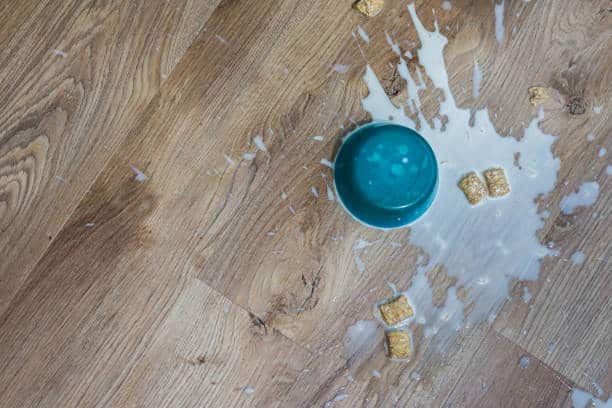
3. Clean up spills promptly – Accidents can happen, but it’s important to clean up any spills promptly to prevent stains and damage to the wood.
4. Use protectors – Furniture protectors can prevent scratches and gouges caused by heavy objects or furniture.
By taking these preventive measures, you can protect your wood floors from pet damage and prolong their lifespan.
Repairing minor pet scratches on wood floors
If your wood floors have light surface scratches, there are several DIY remedies you can try to repair them:
1. Sandpaper – Sand the scratched area lightly with fine-grit sandpaper until the scratches are no longer visible. Be careful not to sand too much as this can damage the wood further.
2. Steel wool – Use steel wool to buff out light scratches. Apply a small amount of wax or polish to the scratched area and then use the steel wool to buff the area until the scratches disappear.
3. Wood filler – Use wood filler to fill in deeper scratches. Apply the filler to the scratched area and smooth it out with a putty knife. Let it dry completely before sanding the area lightly with fine-grit sandpaper.
These DIY remedies can be effective for minor scratches on wood floors.
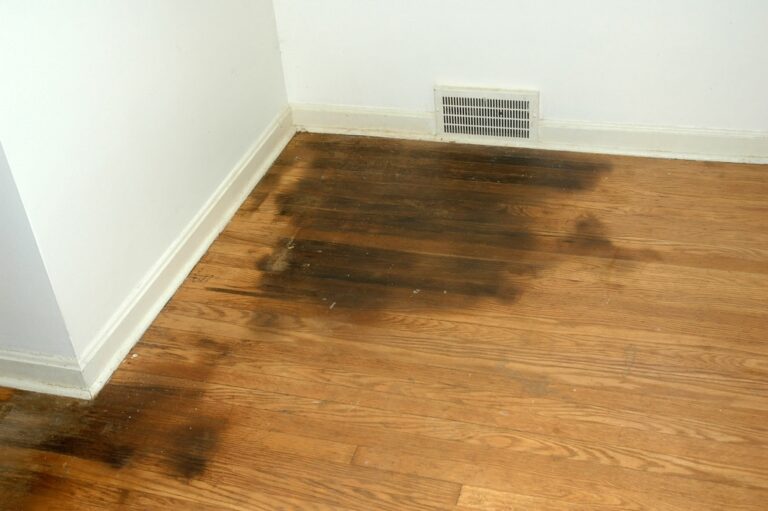
Dealing with pet urine stains on wood floors
Pet urine stains can be difficult to remove and can cause permanent damage to the wood if left untreated. Here are some steps you can take to remove pet urine stains from wood floors:
1. Blot up the urine – Use paper towels or a clean cloth to blot up as much of the urine as possible.
2. Clean the area – Mix equal parts of water and white vinegar and use this solution to clean the stained area. Be sure to use a clean cloth to avoid spreading the stain.
3. Sand the area – If the stain is still visible, lightly sand the area with fine-grit sandpaper. Be careful not to sand too much as this can damage the wood.
4. Stain and seal – Apply a matching wood stain to the sanded area and then seal it with a clear coat of polyurethane.
If the urine stain is too deep or has been left untreated for too long, it may be necessary to replace the affected wood planks.
Fixing deep scratches and gouges caused by pets
Deep scratches and gouges caused by pets can be more difficult to repair. Here are some solutions for fixing these types of damage:
1. Wood putty – Use wood putty to fill in the deep scratches or gouges. Apply the putty to the damaged area and smooth it out with a putty knife. Let it dry completely before sanding the area lightly with fine-grit sandpaper.
2. Replace damaged planks – If the damage is too severe, it may be necessary to replace the affected wood planks. This is best left to the professionals to ensure a seamless repair.
3. Refinish the entire floor – If the scratches and gouges are widespread, it may be necessary to refinish the entire floor. This will restore the natural beauty of the wood and protect it from further damage.
These solutions can effectively fix deep scratches and gouges caused by pets.
Refinishing and restoring wood floors damaged by pets
If your wood floors have sustained significant damage from pets, it may be necessary to refinish and restore them. Here are the steps involved in this process:
1. Sand the floor – Sand the entire floor to remove any scratches, stains, or damage. Be sure to use progressively finer grit sandpaper to achieve a smooth finish.
2. Stain the floor – Apply a matching wood stain to the sanded floor to restore its natural color.
3. Seal the floor – Apply a clear coat of polyurethane to protect the floor from future damage.
Refinishing and restoring wood floors can be a time-consuming process, but it can effectively restore the natural beauty of your floors.
Tips for maintaining wood floors in a pet-friendly home
Maintaining your wood floors in a pet-friendly home is key to preventing damage and prolonging their lifespan. Here are some tips for maintaining your wood floors:
1. Sweep or vacuum regularly – Regular cleaning can prevent scratches and damage to the wood.
2. Use pet-friendly cleaning products – Avoid using harsh chemicals that can damage the wood. Instead, use pet-friendly cleaning products.
3. Clean up spills promptly – Prompt cleaning can prevent stains and damage to the wood.
4. Trim your pet’s nails regularly – Regular nail trimming can prevent scratches on the wood.
By following these tips, you can maintain your wood floors and prevent pet damage.
Separate stain repair from scratch prevention
For deep discoloration, read what can be done about black pet stains. For daily wear, use our dog-scratch prevention guide to address grit, traction, and repeated movement before repairing the same path again.
Enjoying a harmonious home with pets and wood floors
In conclusion, pet damage to wood floors can be a common problem for pet owners. However, with the right preventive measures and solutions, you can protect your wood floors and restore them to their natural beauty.
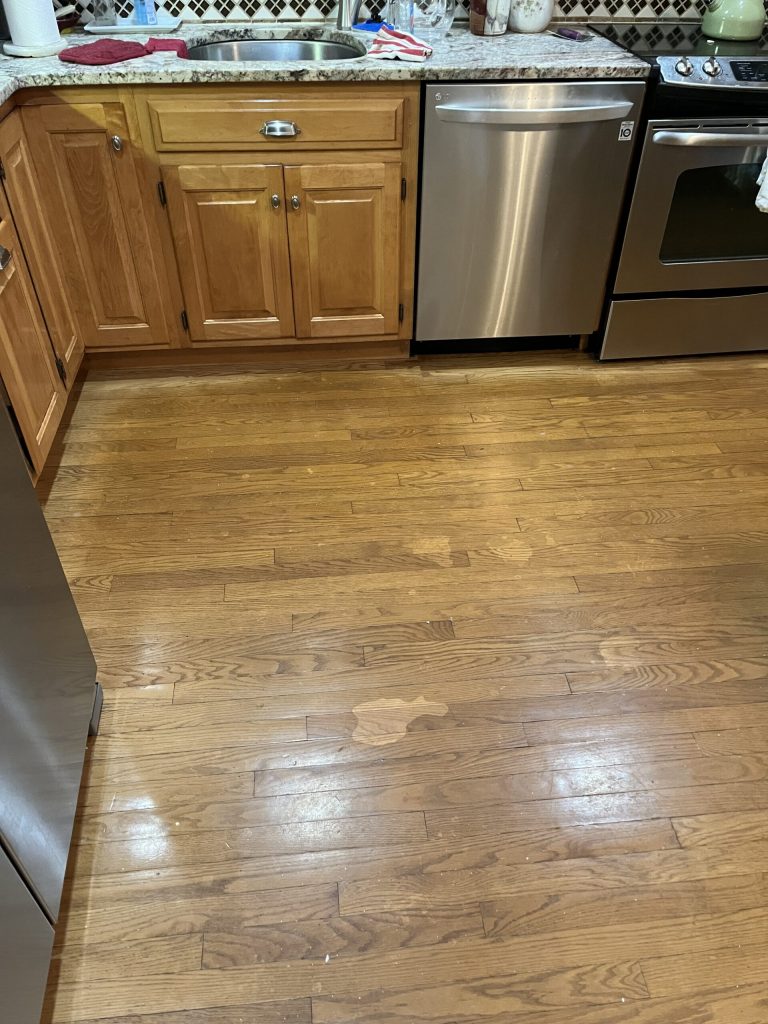
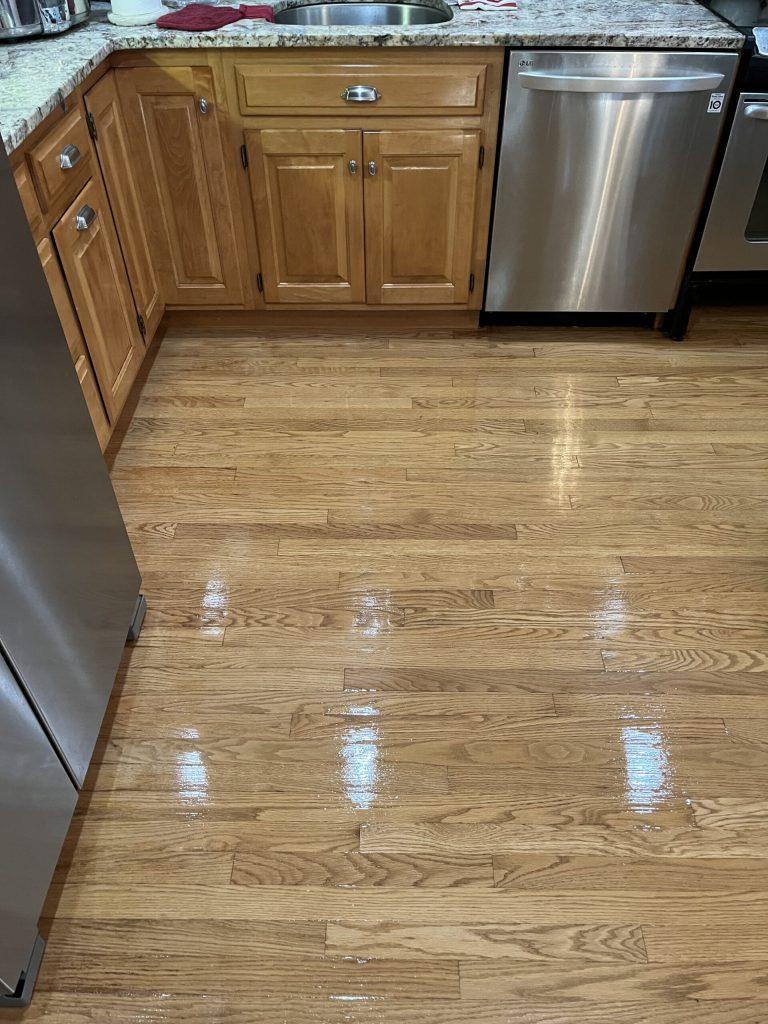
Regular nail trimming, using protective rugs and mats, and cleaning up spills promptly can prevent scratches and stains on wood floors. For minor scratches, DIY remedies such as sandpaper, steel wool, and wood filler can be effective. For more severe damage, it may be necessary to replace damaged planks or refinish the entire floor.ReCoat Revolution offers a one day wood floor refinishing service that is less than half the cost of traditional wood floor refinishing.
By following these tips and considering alternative flooring options, pet owners can enjoy a harmonious home with pets and beautiful wood floors. Say goodbye to worries about pet damage and hello to a pet-friendly home with style and durability.
A Little About Us
At ReCoat Revolution, we provide complete hardwood floor care. Need to show a 100-year-old floor some love? Good, we love saving old floors. Are your floors youngsters but a little banged and bruised from the dog’s nails? We’ve seen it a million times. With over 25 years of experience in and around the custom wood floor business, we know our stuff and we’ll share it with you if it’ll help you solve a problem you have.
Are you ready to bring your floors back to life with our easy process? Contact us now to get the help you need!