
recoating education
Is My Floor a Candidate for ReCoating? DIY Test Guide
Is my floor a candidate for ReCoating? Use the water drop test, adhesion test DIY methods, and visual checks to confirm before you book – saves you from costly mistakes.
ReCoating can be an effective way to refresh and protect your floors without the expense or effort of full refinishing or replacement. However, depending on the type and condition, it won’t be the best solution for every floor. So, how do you know if investing in floor ReCoating will work for you? In this blog, we’ll walk through what ReCoating involves, how to assess your floors, and when to consider professional assistance.
What is Floor ReCoating?
Definition of ReCoating
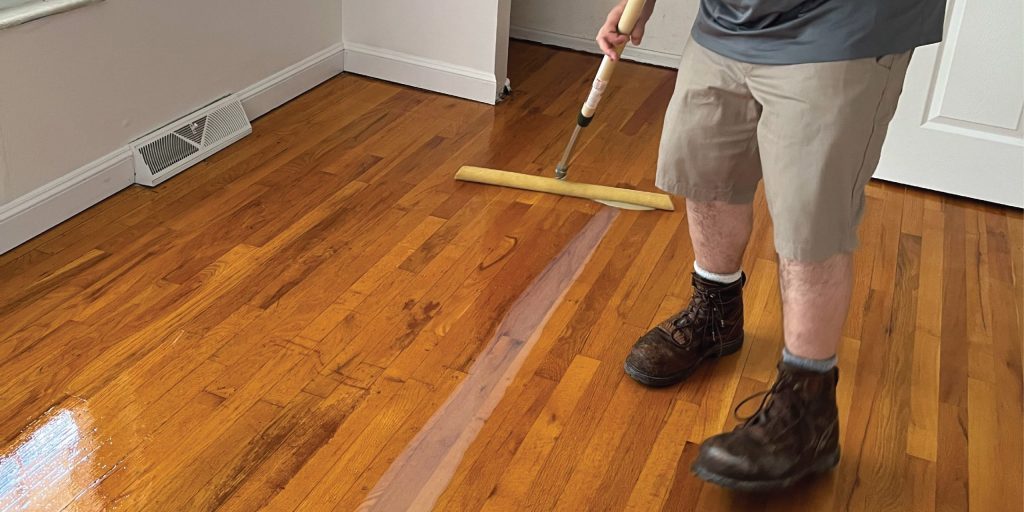
ReCoating is a process where a new layer of finish is applied to an existing floor to restore its appearance and protect it from future wear. Unlike refinishing, which involves sanding the surface to bare wood and reapplying stain and finish, ReCoating focuses on enhancing the existing finish without removing material. It’s a less invasive and more cost-effective way to rejuvenate floors that have seen better days but aren’t significantly damaged.
Common Floor Types Suitable for ReCoating
Not all floors are ideal candidates for ReCoating. Here are the most common types that will respond well:
- Hardwood Floors: Solid hardwood floors benefit from ReCoating.
- Engineered Wood Floors: Engineered wood floors must be recoated and cannot typically be sanded to bare wood.
- Laminate Floors: Laminate floors with dull finishes can only be recoated to restore their shine.
- Tile Floors: ReCoating can refresh grout lines and improve the overall appearance of tiles.
Signs That ReCoating May Work for Your Floors
Wear and Tear
ReCoating is an excellent option for floors that have experienced typical wear and tear over time. For hardwood floors, this might include surface scratches, scuffs, or dullness from foot traffic. ReCoating effectively restores the shine lost due to fading or scratches for laminate floors. Tile floors that have become worn with age or cleaning can also benefit from ReCoating, especially in areas where the grout lines have started to look discolored. The key here is that the damage is only superficial–ReCoating can bring back the floor’s original luster without having to sand or replace the material entirely.
Surface Condition
Surface condition is critical when ReCoating:
- For Hardwood Floors: ReCoating revives the finish and provides a protective finish layer without sanding down the wood.
- For Laminate Floors: ReCoating is beneficial when it appears dull or lackluster and shows wear.
- For Tile Floors: If the grout lines are still tight and the tile surface is smooth, ReCoating can restore the floor’s appearance, making it look fresh and new again.
Finish Integrity
ReCoating on the original finish provides additional protection. When the floor’s finish is intact but worn down, ReCoating adds a fresh layer to renew the floor’s look and provide an extra layer of protection. However, if the finish is peeling and lifting, ReCoating won’t address the more serious issues of finish adhesion failure, and you may need to consider refinishing the floor. This is particularly important for hardwood floors, as ReCoating over a damaged and peeling finish may lead to uneven results or risk of increased peeling over time.
When ReCoating Might Not Be Effective
Severe Damage
ReCoating likely won’t be enough to restore your floors’ beauty if your floors are deeply damaged. Deep gouges in wood, cracks in laminate, water damage, or missing tile sections are signs that the floor requires more than just a surface refresh. In these cases, while ReCoating will improve the appearance of the floor overall, it won’t address the deeper issues in the floor. You’ll want to explore refinishing to bare wood or even full replacement for floors with significant damage.
Old or Thin Floors
Floors that are very old or have a thin existing finish are ideal candidates for ReCoating. A thin finish might be worn out requiring a new coating to be applied in order to protect the wood floor. Additionally, older floors that have gone through multiple refinishing attempts may have lost too much material for further refinishing and are only able to be restored by ReCoating. If you’re unsure, it’s a good idea to consult a flooring professional who can evaluate your floor properly and determine the best solution for you and your floors.
Previous Coating Issues
ReCoating over a problematic finish is a common mistake that can lead to poor results. If the floor’s existing finish is peeling, flaking, or bubbling, ReCoating won’t properly adhere to the surface, which can cause the new coating to fail prematurely. In these situations, sanding the floor down and refinishing it is typically the best solution. To avoid wasting time and resources, a thorough inspection of the existing coating’s condition is necessary before moving forward with any ReCoating project.
Benefits of ReCoating Your Floors
Cost-Effectiveness
One of the most significant advantages of ReCoating is the cost savings compared to complete refinishing or floor replacement. The refinishing process involves sanding the surface and applying multiple layers of stain and finish, which is time-consuming and expensive.
ReCoating, however, is much less expensive because it focuses on applying a fresh coat of the necessary protective layer over the existing one. Homeowners can achieve a refreshed, protective surface at a fraction of the cost of more extensive floor restoration methods. This makes ReCoating an excellent option for those looking to improve the appearance of their floors without breaking the bank.
Time Efficiency
ReCoating your floors saves you significantly more time than refinishing or replacing the entire floor. Refinishing typically requires days of preparation, sanding, and multiple finish coats, with considerable drying time in between. In contrast, ReCoating takes less time–often just a single day or two–and can be done with minimal disruption to your home life. This makes it a fantastic option for homeowners who want to revitalize their floors quickly and with minimal hassle.
Improved Appearance and Longevity
ReCoating not only restores the look of your floors but also extends their lifespan. The new finish protects the surface from future damage, including scratches, spills, and wear from foot traffic. For hardwood floors, ReCoating enhances the natural beauty of the wood by adding a layer of sheen and depth to the finish. Laminate and tile floors also benefit from ReCoating, improving the overall appearance and making the floors easier to maintain in the long run. Additionally, adding a new finish layer helps protect against dirt and moisture, prolonging the floor’s overall durability.
Factors to Consider Before ReCoating Your Floors
Floor Type and Condition
The effectiveness of ReCoating largely depends on both the type of floor and its current condition:
- Hardwood Floors: Hardwood floors respond exceptionally well to ReCoating whether the surface has scratches or fading or deep gouges. Wood floors with a thick finish layer and no significant wear-through are prime candidates for successful ReCoating.
- Laminate Floors: For laminate floors, ReCoating is ideal when the top layer looks dull. Because laminate cannot be sanded, ReCoating is a cost-effective way to restore shine. However, if the laminate’s surface is chipped or peeling, repairs may be necessary before ReCoating or replacement might be necessary.
- Tile Floors: ReCoating can restore the shine of tile floors and refresh grout lines. However, if the floors have cracked tiles or heavily discolored grout, ReCoating may not fully address these issues, and more extensive repairs might be needed first.
By carefully evaluating the type of floor and the extent of surface damage, homeowners can determine if ReCoating is the best solution for revitalizing their flooring.
Environmental Conditions
ReCoating success can be influenced by several environmental factors, including:
- Indoor Humidity Levels: High humidity can extend drying times of the finish. In contrast, low humidity can create ideal conditions for a smooth finish.
- Temperature: Extremely high or low temperatures can also impact the ReCoating process. Too cold temperatures may cause coatings to cure improperly, while excessive heat can lead to bubbling or uneven application.
Seasonal weather patterns are crucial to ReCoating processes in St. Louis. For example, spring and fall often provide the most stable conditions, with moderate temperatures and lower humidity levels. Humid summer days or cold winter conditions may require additional planning, such as using climate-controlled environments or specialized products designed for adverse conditions. Being mindful of the local climate can ensure better ReCoating results.
Choosing the Right Coating
The type of coating you select can significantly impact the outcome of your floor ReCoating project.
- Polyurethane Finishes: Durable and available in oil- and water-based options, polyurethane is a popular choice for high-traffic areas. Oil-based polyurethane offers a warm, amber tone and is known for its toughness, making it ideal for hardwood floors. However, it has a longer drying time and a stronger odor. Water-based polyurethane dries quickly and has a clear finish, preserving the natural color of your floors.
- Oil-Based Coatings: These are good for floors that experience moderate wear and tear. They penetrate deeply into the wood, enhancing its natural grain and providing a rich, glossy finish. However, they can turn yellow over time and have strong odors during application are less eco-friendly due to higher VOC emissions.
- Water-Based Coatings: These finishes are favored for quick drying times and lower odor, making them a good option for busy households. They are also more environmentally friendly and offer solid protection for all types of flooring.
When choosing the right finish, consider factors such as the type of floor, the level of foot traffic it endures, your aesthetic preferences, and environmental considerations. Consulting with a flooring professional can help you weigh the pros and cons and select the best coating for your needs.
For a closer look at color, odor, dry time, and cure tradeoffs, compare water-based vs oil-based polyurethane floors.
Professional vs. DIY ReCoating
While DIY ReCoating is possible, hiring a professional St Louis Floor Refinishing service ensures the job is done correctly, especially for larger or more complex projects. DIY ReCoating can seem appealing due to its lower upfront costs, but it comes with risks such as uneven application, improper surface preparation, or choosing the wrong type of coating for your floor. These mistakes can lead to costly repairs or the need for professional intervention later. Conversely, professionals bring expertise, specialized tools, and high-quality materials to the job, ensuring a durable and flawless finish.
DIY might be a feasible option for smaller spaces or minor touch-ups if you have the patience and a clear understanding of the process. However, professional services are often worth the investment for extensive wear or unique flooring types. To decide between the two options, consider your floor’s condition, the project’s scale, and your confidence in handling the work. If in doubt, consulting a flooring expert can help make the best choice for your home.
How to Test if Your Floor is Ready for ReCoating
The Water Drop Test
This quick test involves placing a drop of water on the floor. If the water forms a distinct bead and remains on the surface, the finish remains intact, and the floor is likely suitable for ReCoating. On the other hand, if the water slowly absorbs into the wood or spreads unevenly, it could signal that the protective finish has worn away, and the floor may require ReCoating. Partial beading, where the water forms droplets but shows some absorption, might suggest the finish is thinning, making ReCoating an effective solution. The finish is likely intact and suitable for ReCoating if the water beads up. If it soaks in, ReCoating is required.
Visual Inspection
Inspect your floors for:
- Scratches: Light surface scratches are suitable for ReCoating as the new finish can fill them in, restoring the floor’s smooth appearance. However, deeper scratches may still be visible while disguised by ReCoating.
- Dullness: Floors that have lost their sheen but still have an intact finish are ideal for ReCoating. The process can restore their original luster without removing the old finish.
- Fading: Sunlight or heavy use can cause certain areas to fade over time. ReCoating can even out the tone and color of the floor, provided the fading hasn’t exposed bare wood or damaged the integrity of the existing finish.
Recognize conditions that need closer inspection
A peeling finish needs its failing layer identified before another coat. A gray traffic lane may be residue, finish loss, or changed wood. These symptoms need diagnosis rather than a blanket maintenance recommendation. Before committing to a coating plan, understand what an adhesion test can establish.
Trust ReCoat Revolution for Expert Floor ReCoating
When deciding whether ReCoating is the right choice for your floors, carefully evaluating their current condition is essential. For homeowners seeking to restore the beauty and functionality of their floors without the expense and disruption of full refinishing or replacement, ReCoat Revolution provides expert guidance and premium service. Our professional team has the skills and experience to ensure your floor ReCoating project is executed flawlessly, from selecting the right coating to addressing environmental factors that can impact the outcome.
Whether your floors need a minor refresh or you’re unsure whether ReCoating is the right approach, ReCoat Revolution is here to help. We’ll assess your floors’ unique needs and ensure that the solution is tailored to deliver long-lasting results. Don’t risk the frustration and cost of DIY mistakes–partner with ReCoat Revolution for a flawless finish and floors that look and feel like new. Reach out today to schedule a consultation and learn how we can help bring your floors back to life with precision and care.